
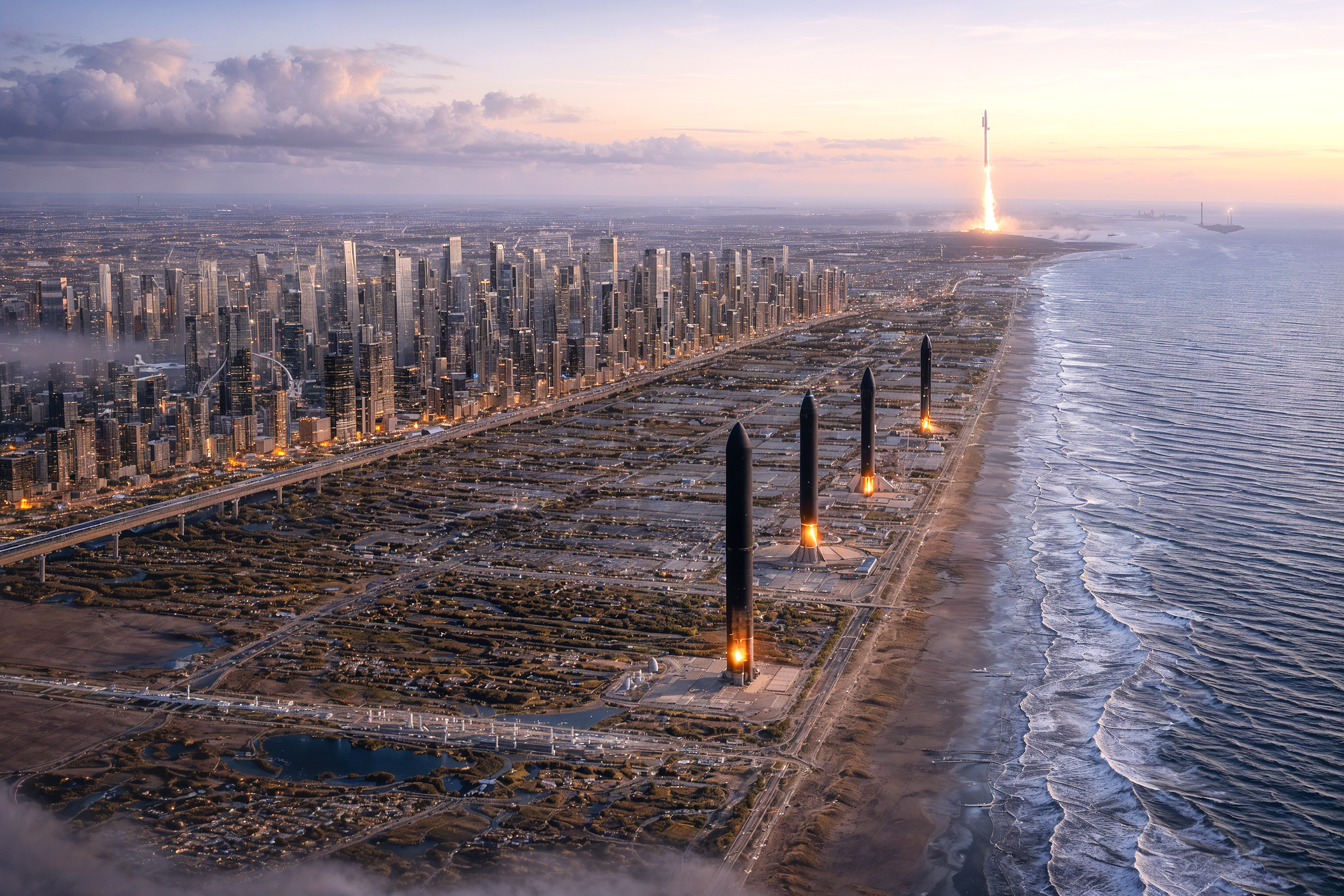
FOUNDATION CITY WEST | 06:00 LAUNCH | PAYLOAD: LOCALLY FABRICATED ASTEROID MINING LASERSTHE WEST NEEDS ITS OWN SPACEPORT CITY NETWORK TO WIN
FOUNDATION
'A NETWORK OF STARBASES FOR THE WEST'The new space race has already become a competition between spaceport city networks.
China has built a 5-node network of vertically integrated spaceport cities—combining launch, manufacturing, logistics, and increasingly AI compute into a single coordinated system. Each node strengthens the others, accelerating their capabilities over time.
The West has one true spaceport city and one in progress.
FOUNDATION is the response.
FOUNDATION is a network of vertically integrated spaceport cities, designed to operate as a platform. Each node provides people and businesses access to launch, industrial capacity, GW-scale compute, capital, and world-class urban environments—available across the network, not confined to a single location.
FOUNDATION’S EDGE
01 HIGH-CADENCE ORBITAL ACCESS 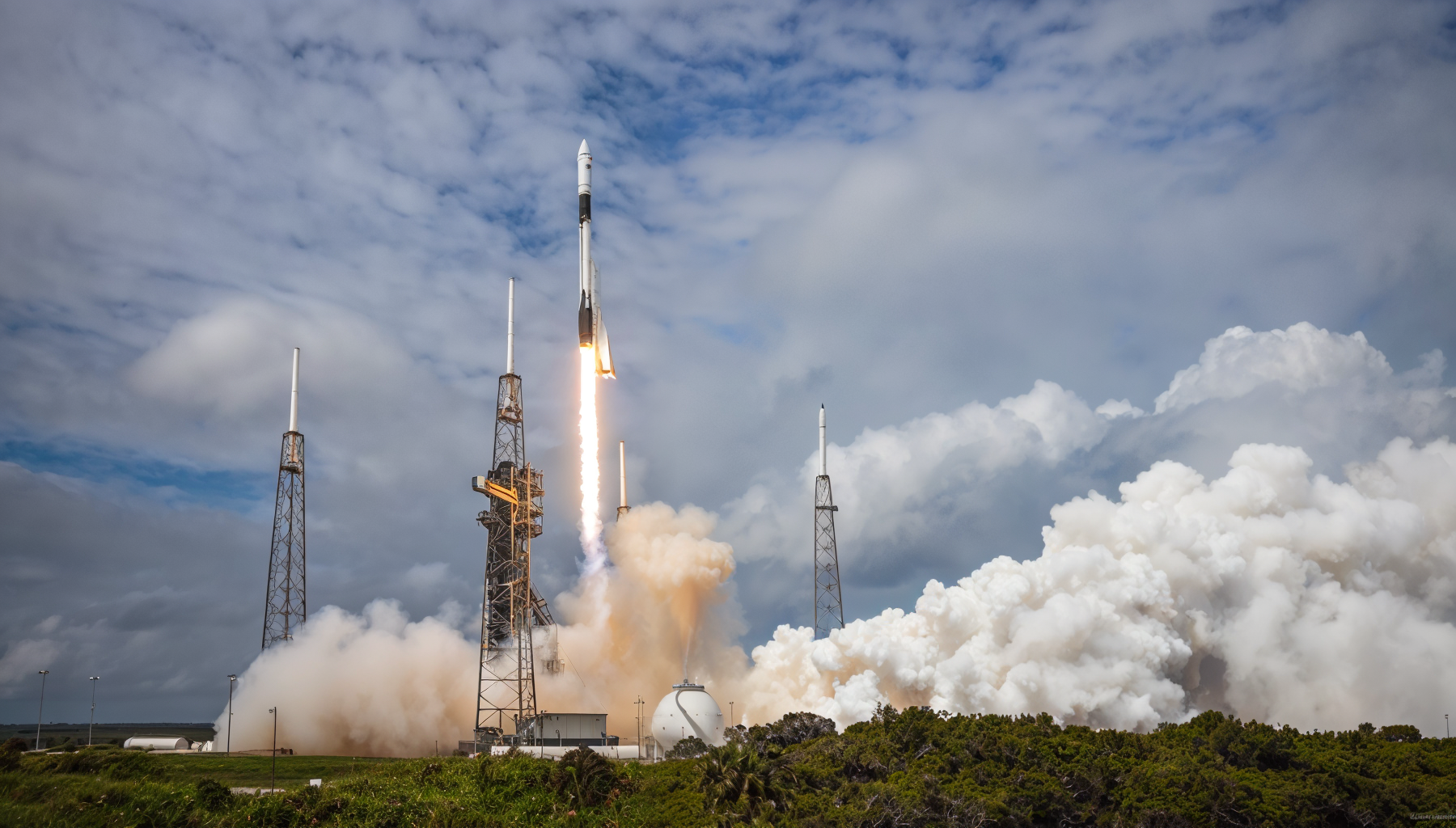
[ LAUNCH CAPACITY NETWORK] Launch pads, mission integration, and multi-site capacity across a unified system. Tenants secure resilient access to orbital infrastructure across the network, combined with a base of operations.
02 VERTICALLY INTEGRATED INDUSTRIAL CAPACITY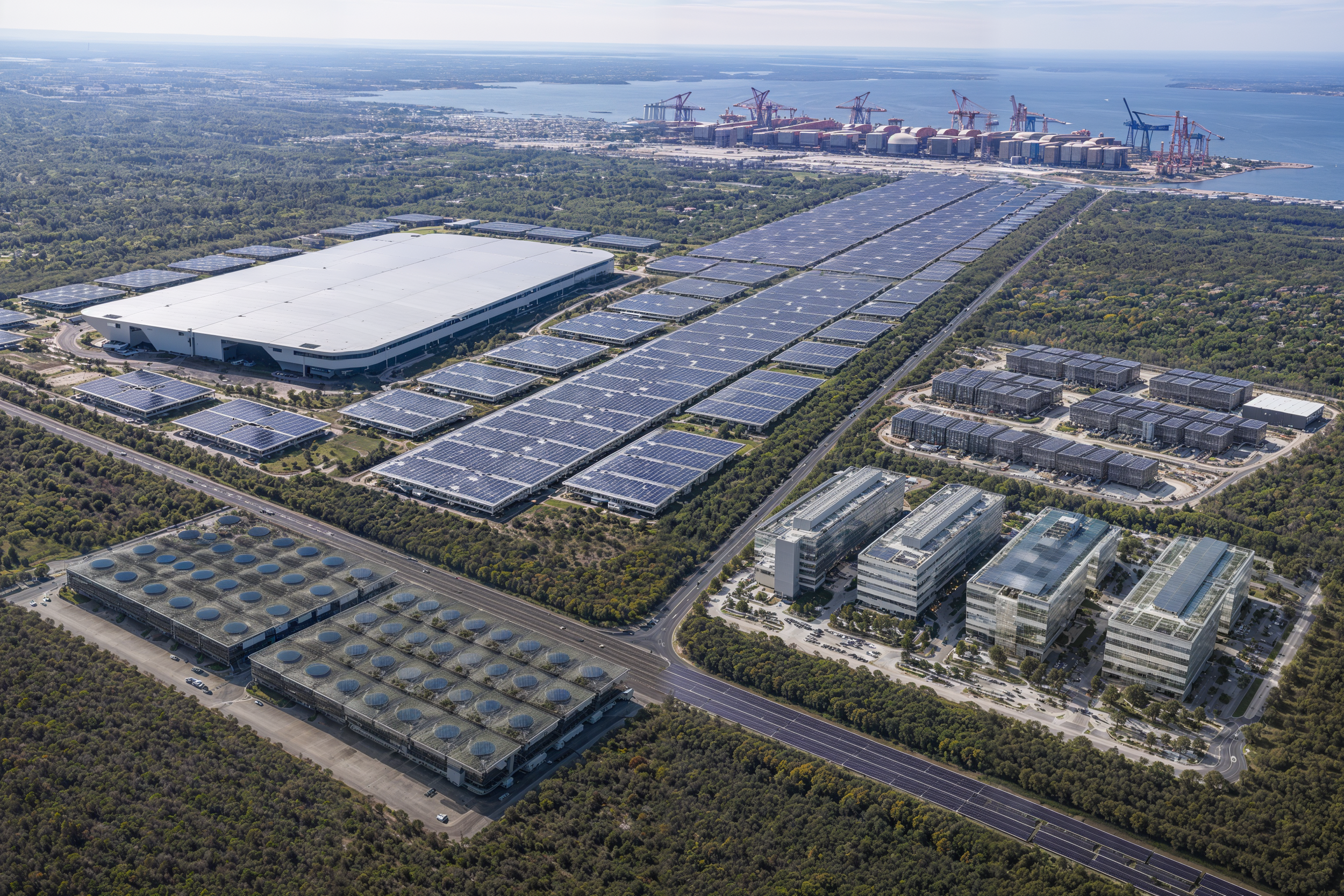
[ AI NATIVE INDUSTRIAL INFRA ] Vertically integrated infrastructure for vertically integrated companies. Power, land, part / material suppliers, advanced manufacturing, R+D, compute and testing environments designed to reduce time-to-deployment and unlock resources across multiple nodes as companies scale.
04 Abundant Sci-Fi Living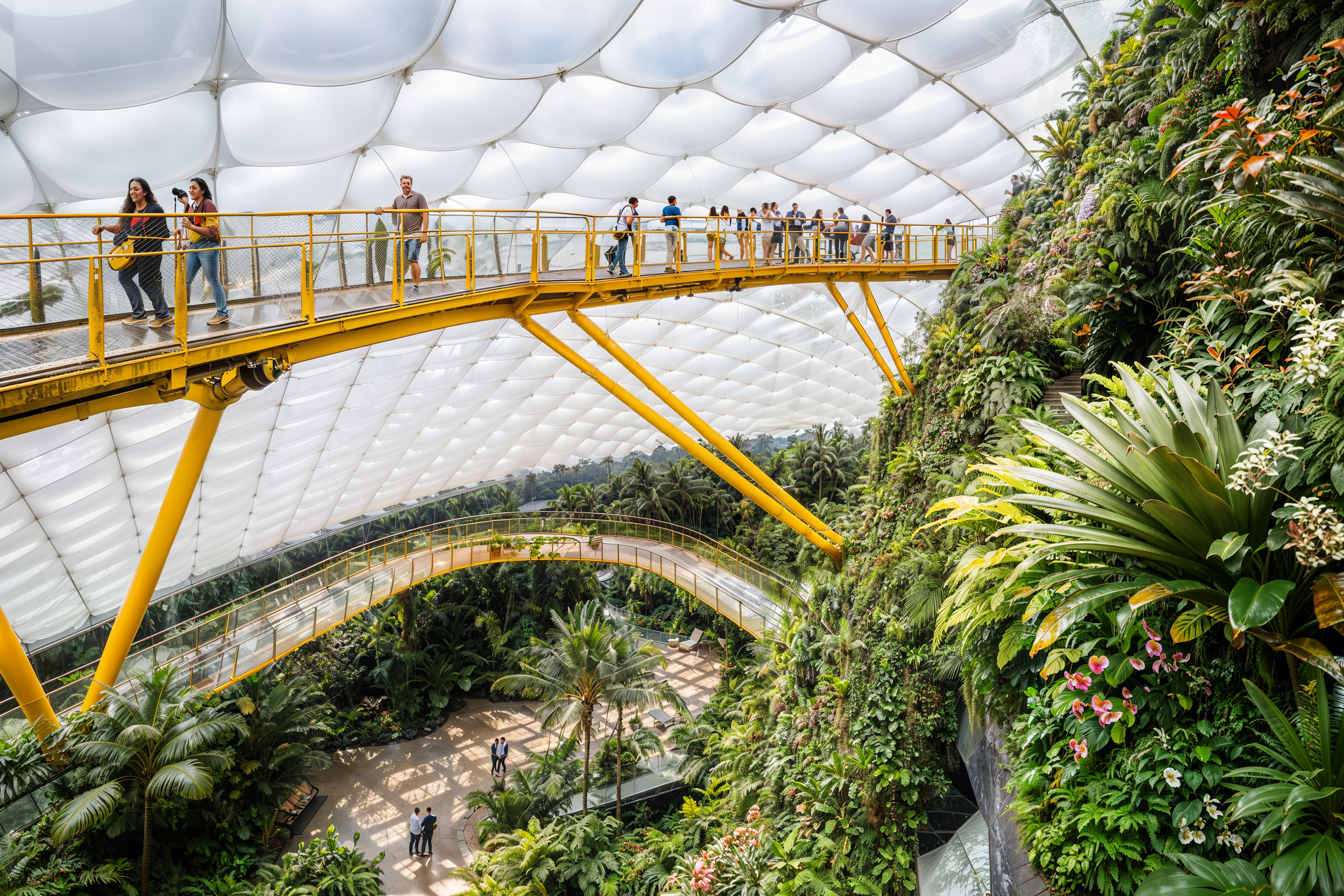
[ TECHNO-HUMANISM AT SCALE ] Housing, schools, healthcare, safety, and public realm designed to support exceptional people and family life across the network. Each city is also a proving ground for next-generation human habitat methods and technologies, advancing the systems needed to extend Foundation cities to other planets.
06 AGGLOMERATING ACCELERATORS03 GW SCALE COMPUTE + RAPID PERMITTING
[ AI INFRA AT SPEED + SCALE ] Streamlined SEZ structures, permitting, legal architecture, insurance, leasing, venture formation, and project finance are designed to let companies establish, fund, and expand across the network under one operating logic.
05 TECHNO-SCHENGEN[ ACCESS TO ALL NETWORK RESOURCES ] Streamlined SEZ structures, permitting, legal architecture, insurance, leasing, venture formation, and project finance are designed to let companies establish, fund, and expand across the network under one operating logic.
Build with us >
Partner with us >
GOVERNMENTS
COMPANIES
[ RENAISSANCE VENICE FOR DEEP-TECH ] Housing, schools, healthcare, safety, and public realm designed to support exceptional people and family life across the network. Each city is also a proving ground for next-generation human habitat methods and technologies, advancing the systems needed to extend Foundation cities to other planets.
CITIZENS
Join us >
01 | ORBITAL ACCESS
Stage 0: High-Cadence Launch INFRA-as-a-ServiceInclinations :
INFRA WE OFFER
AIRLINE LAUNCH CADENCE-AS-A-SERVICEWHY LAUNCH INFRA MATTERS
MULTI-PLANETARY BOTTLE-NECKThe vertical integration of our High Frontier Zones (HFZs) enables continuous industrial throughput from factory to pad to orbit. Launch infrastructure is co-located directly alongside manufacturing, propellant production, and payload integration facilities, eliminating the need to transport sensitive or high-value payloads
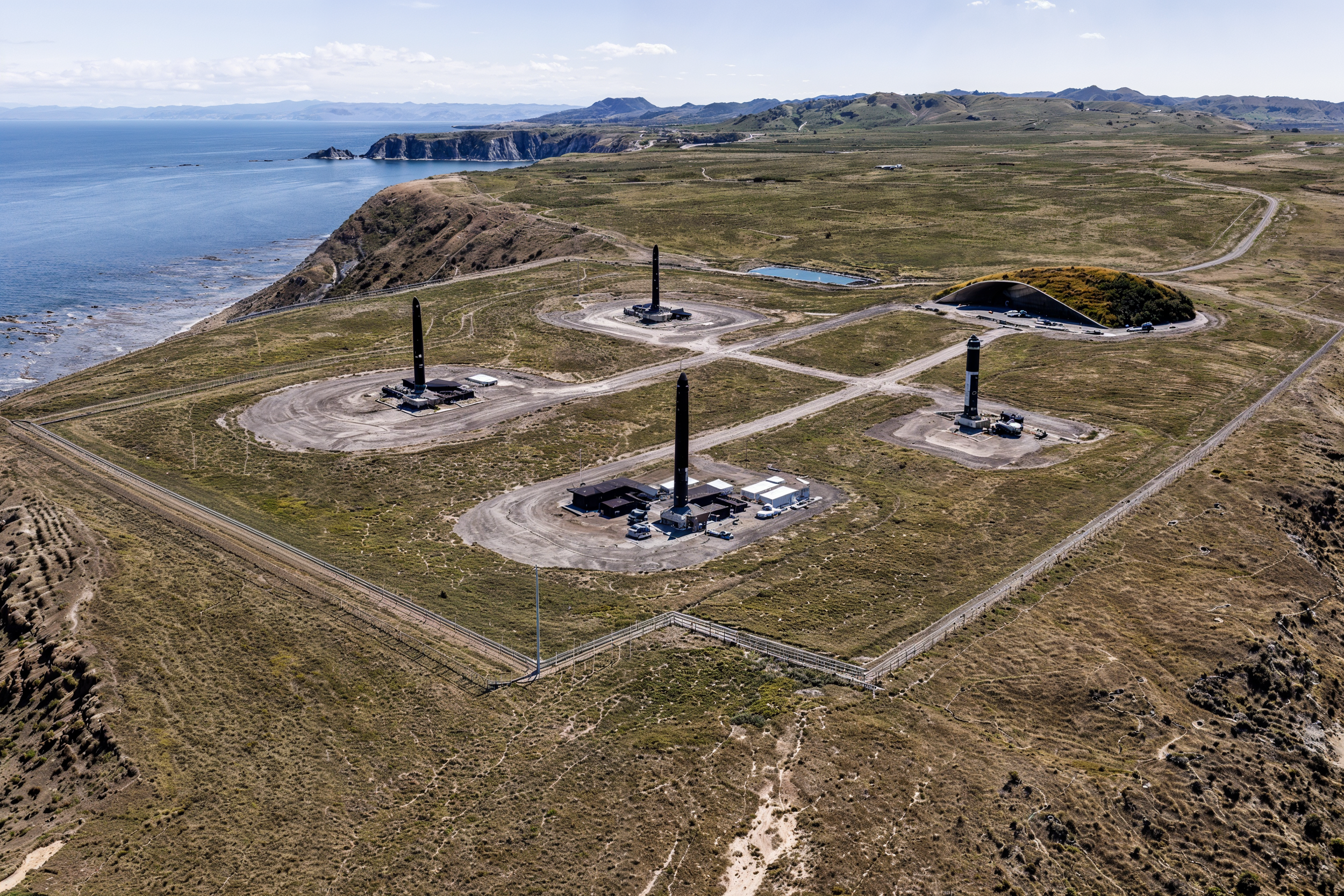
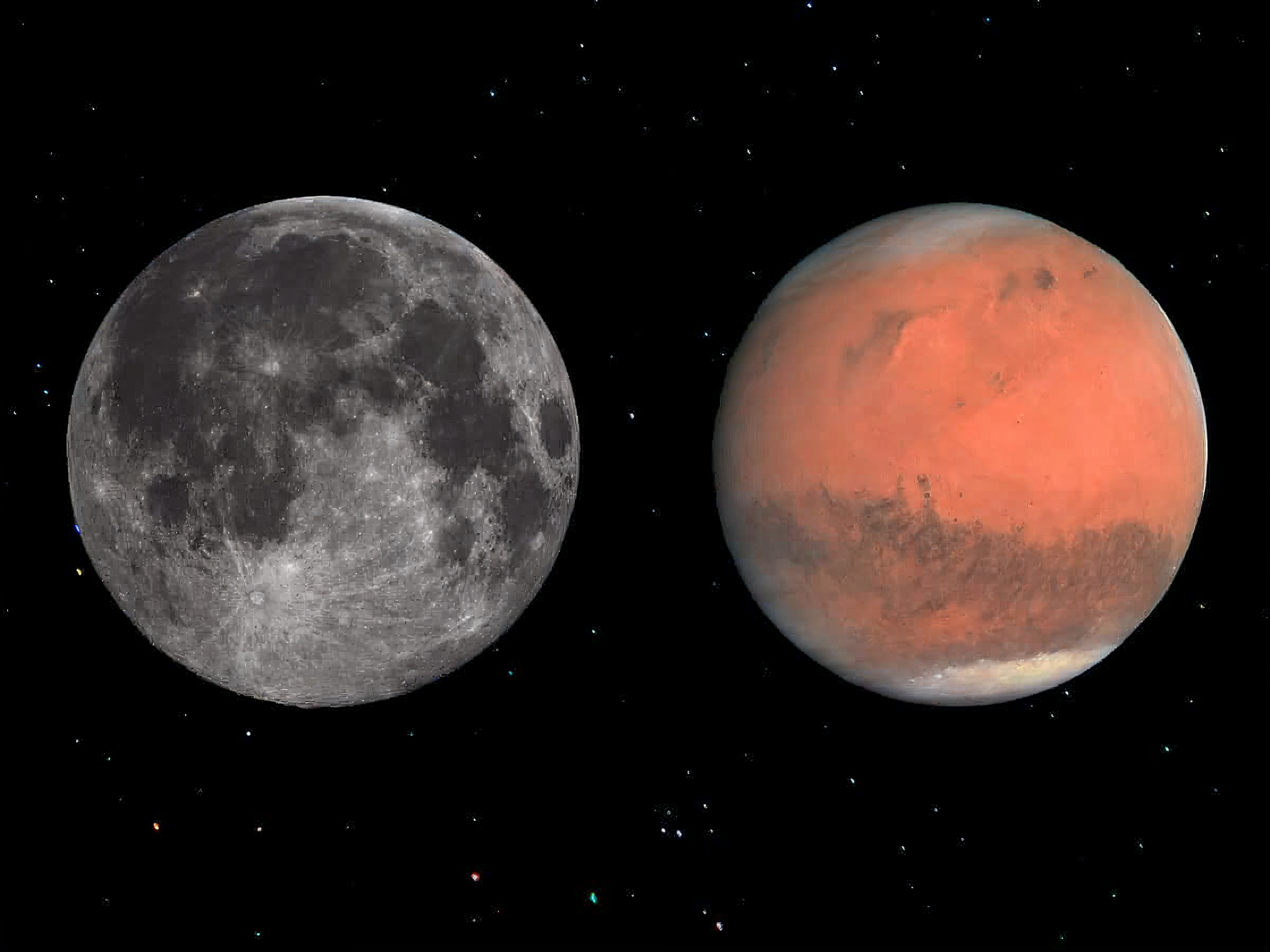
SMALL LIFT
300 - 2000 kg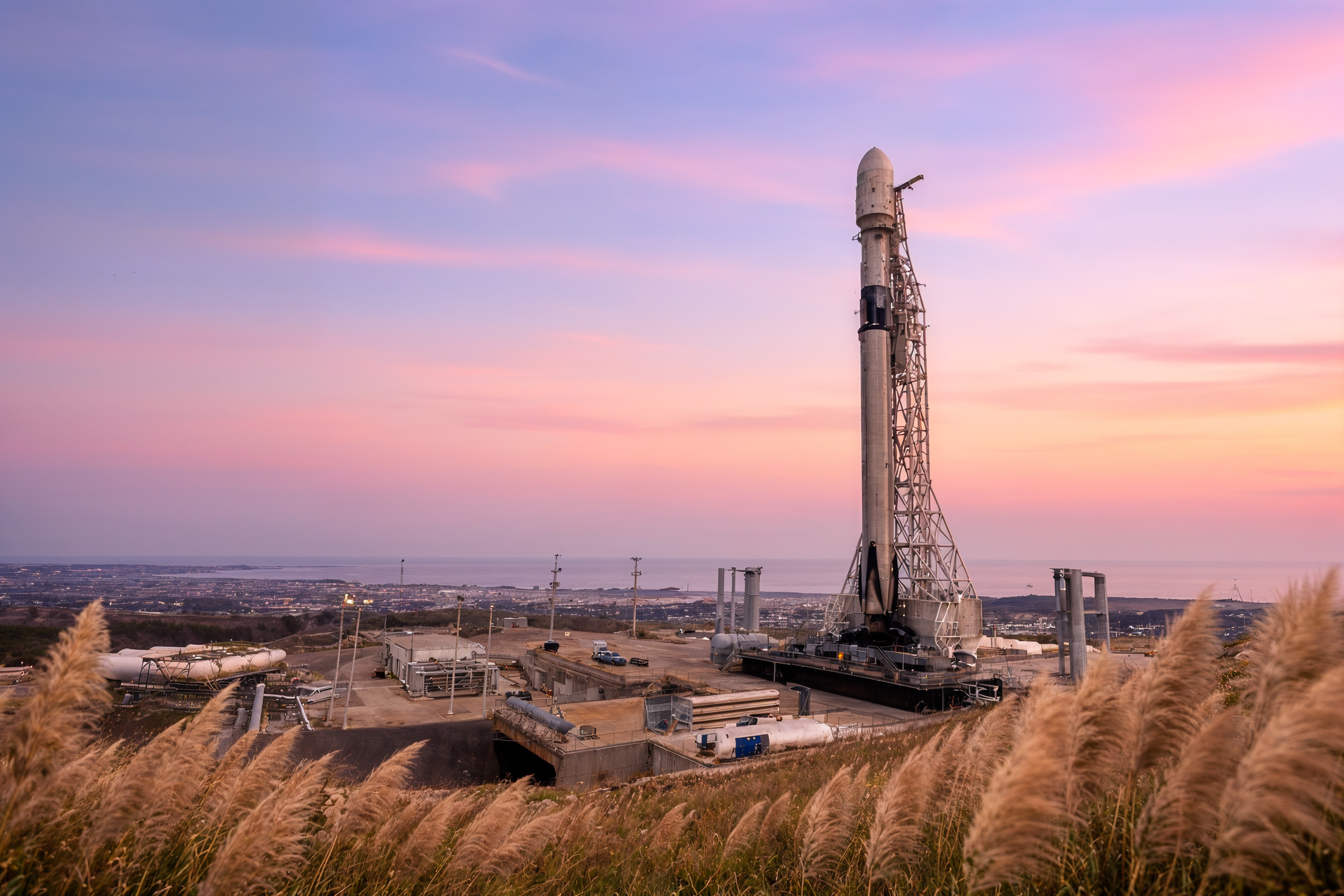
MEDIUM LIFT
2000 - 25000 kg [ INC REUSABILITY ]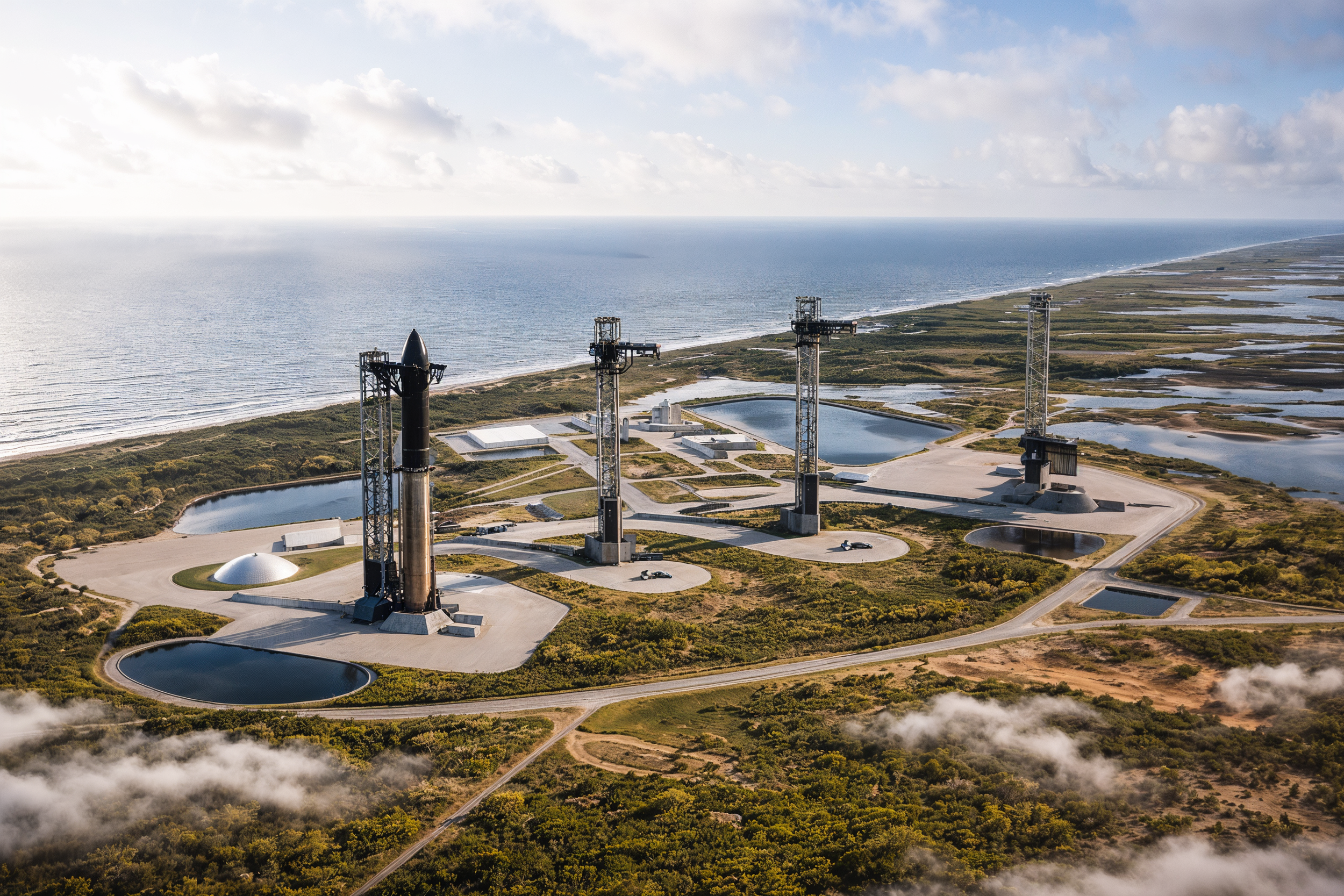
SUPER HEAVY
50,000 - 150,000 kg [ INC REUSABILITY ]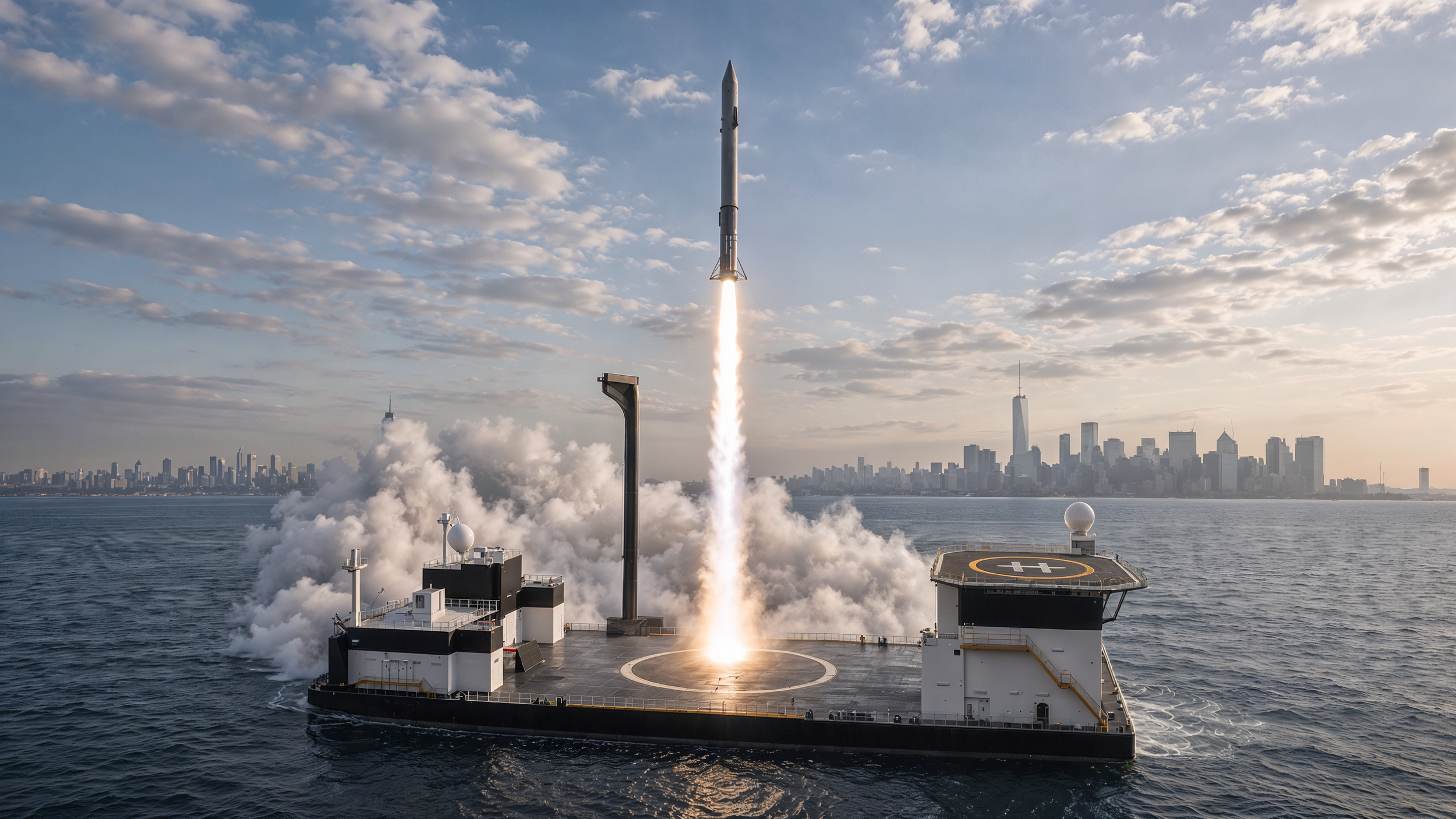
earth to earth
ENABLING ROCKET MOBILITY, POINT-TO-POINTPoint-to-point (PTP) rocket mobility is a conceptual and developing transportation model using reusable rockets or spaceplanes to deliver passengers or cargo between distant locations on Earth via suborbital or orbital trajectories in under an hour. This technology leverages high-altitude flight to achieve speeds over 4,000 miles per hour, aiming to cut long-haul international travel times from many hours to under 60–90 minutes.
02 | techno INDUSTRIAL INFRA
Vertically Integrated for Space IndustrialisationOur HFZs are planned from first principles to compress friction and maximise industrial throughput from raw material to finished product. Strategic co-location and coordination of extraction, refining, manufacturing, and launch infrastructure eliminates the delays, cost, and risk associated with fragmented global supply chains. Materials move directly from mine to processing to factory, reducing logistics overhead, minimising handling losses, and shortening production cycles from months to days.
FULL-STACK INDUSTRIAL CAPACITY
MINE-TO-FACTORY-TO-PAD-TO-ORBIT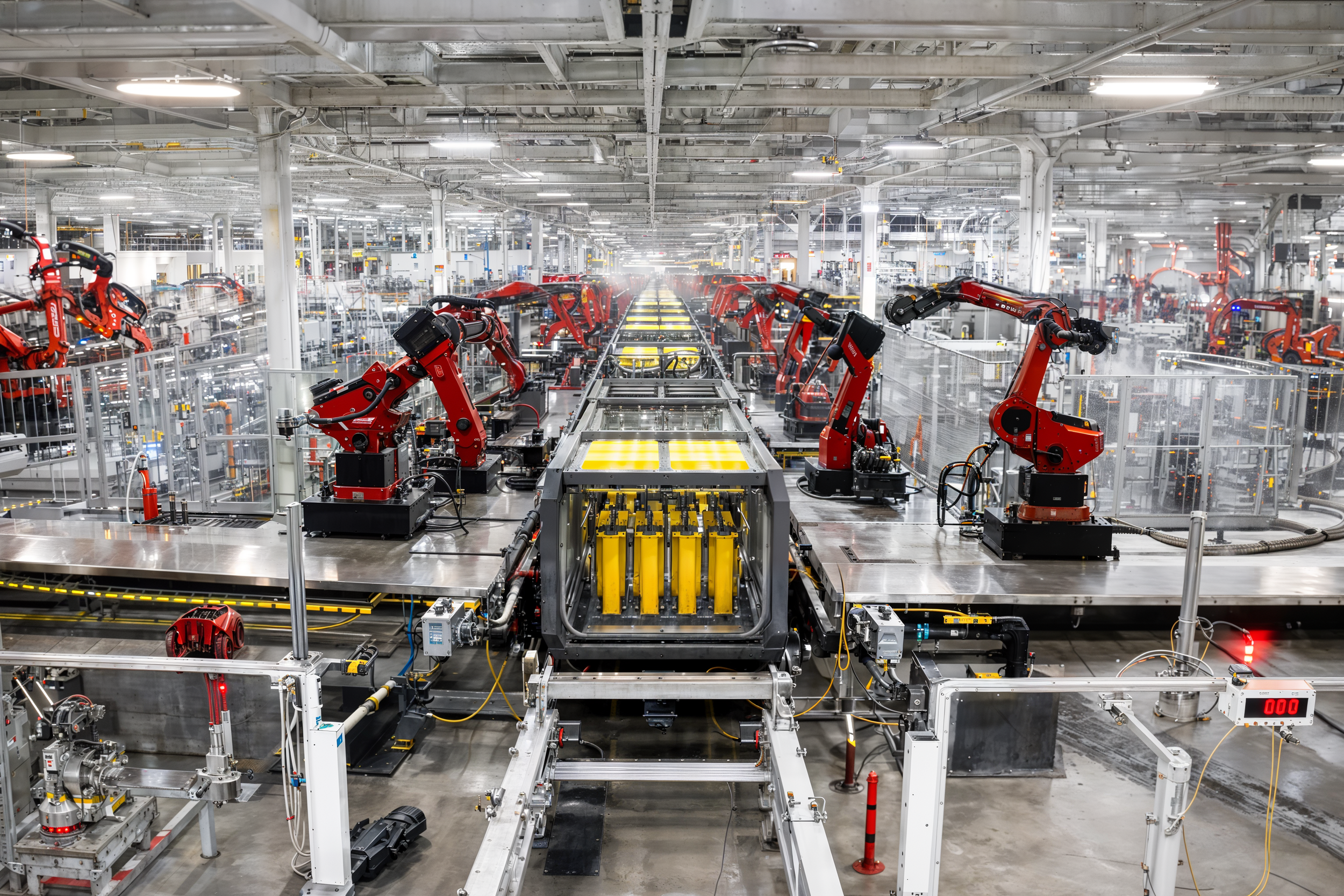
The economic infrastructure of High Frontier Zones (HFZs) is engineered to support agentic, always-on economic activity between humans, companies, and AI agents. Allowing AI agents to transact directly with i
VERTICALLY INTEGRATED AUTONOMOUS PRODUCTION
MINE-TO-FACTORY-TO-PAD-TO-ORBIT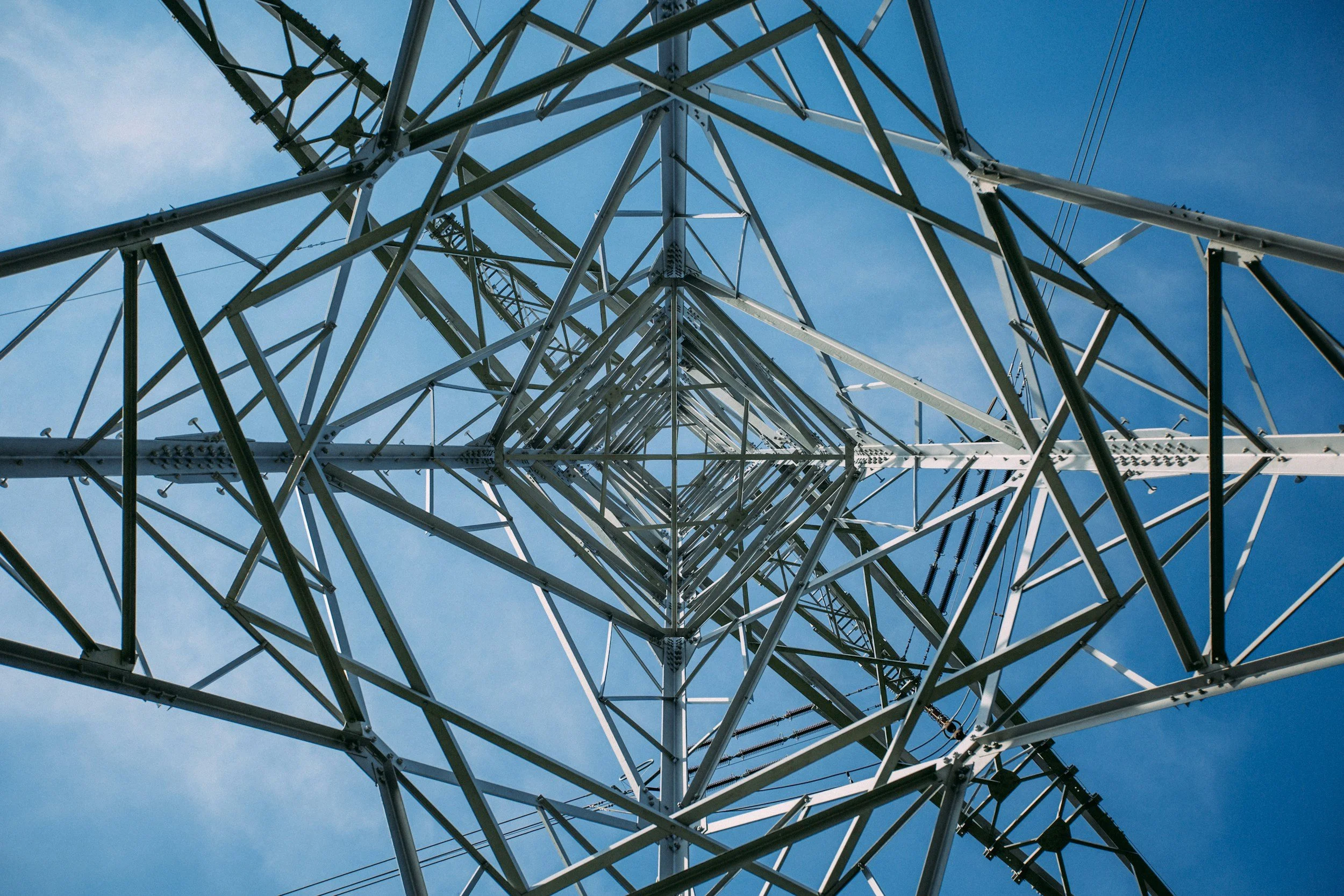
FAST, ABUNDANT FIRM POWER
Our power infrastructure is built from the ground up as a modular, decentralised system. Instead of relying on a single, slow, centralised grid connection, power generation, transmission and distribution scale in parallel with industrial deployment. New capacity can be added incrementally, enabling megawatts to become gigawatts without multi-year delays. Permitting and interconnection are structured to align with demonstrated industrial demand (not politics), ensuring power availability scales at the pace required by tenants.
The electrical backbone is designed around modern high-voltage and direct-current distribution, where appropriate, improving efficiency and reducing transmission and conversion losses by 5–50%, depending on distance and application. This architecture also reduces reliance on large, slow-to-deploy transformers, improving overall system efficiency, reliability, and speed of deployment.
This architecture supports a range of firm energy sources and strategies, including behind-the-meter, next-generation small modular reactors, district heating and cooling, large-scale solar + storage, and other dispatchable generation, ensuring continuous, reliable power for compute, manufacturing, launch consummables and launch operations.
SCALE AFFORDABLY WITHOUT CONSTRAINT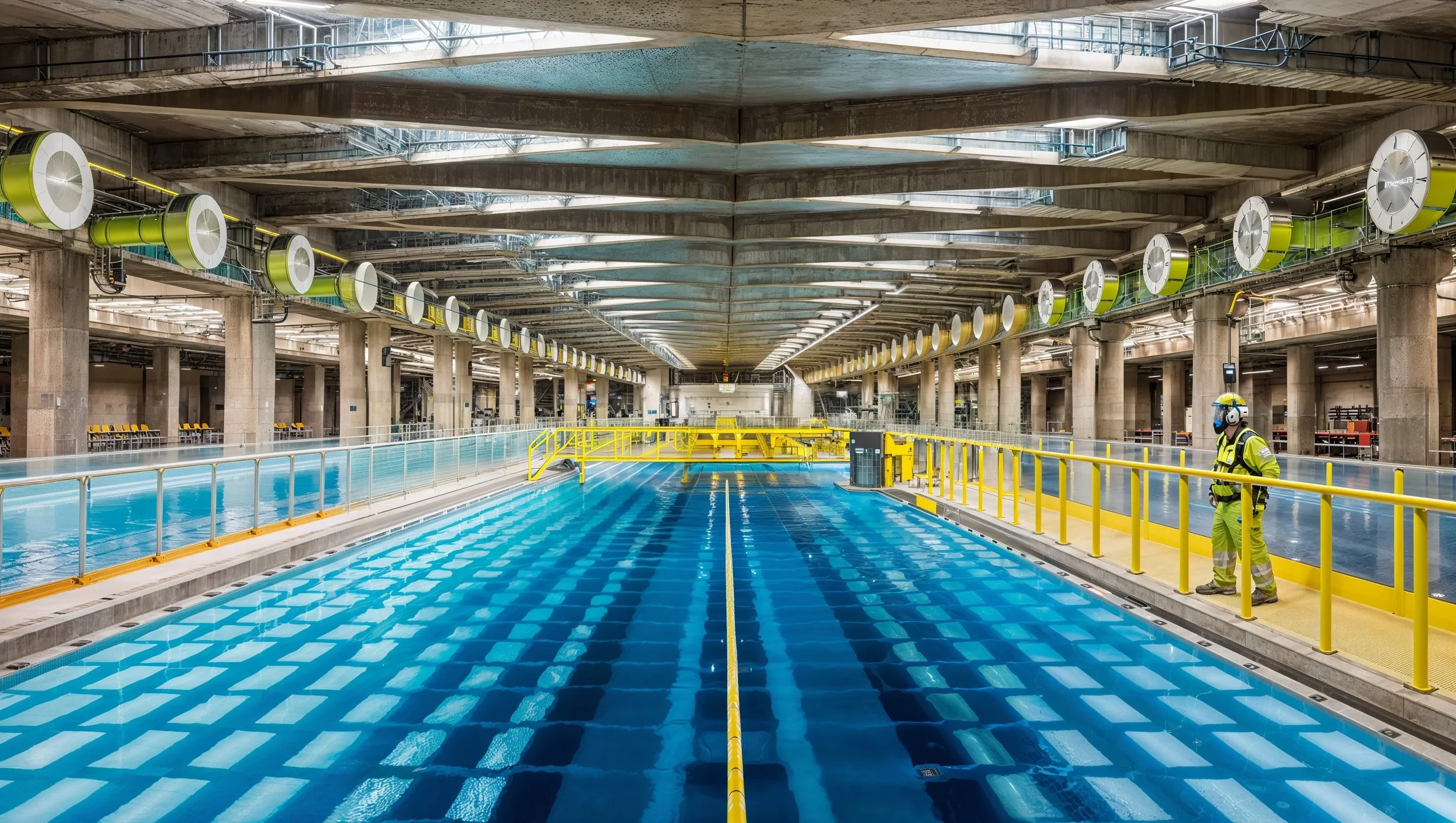
High Frontier Zones (HFZs) are designed as compute-abundant environments for both digital and physical AI, built on the BUTTRESS platform’s integrated compute, power, and thermal recycling architecture. Compute infrastructure is co-deployed with district heating and cooling systems, allowing waste heat from high-density processors to be captured and reused productively. This combined approach materially reduces net energy cost per inference and training workload, while enabling sustained high-density compute deployment without the thermal and grid constraints that limit conventional data centres.
HFZs provide ubiquitous, low-latency compute access via a city-scale mesh network, enabling frictionless off-load, storage, and processing of operational data from autonomous systems, robotics, and industrial processes. This architecture supports continuous learning, real-time coordination, and high-throughput industrial automation, making HFZs an ideal environment for the deployment and development of digital AI, physical AI, robotics, and AI-led manufacturing. As global AI infrastructure demand is projected to exceed hundreds of gigawatts of installed capacity over the coming decades, access to abundant, low-cost, dispatchable compute and energy will become a primary determinant of industrial competitiveness.
In addition to BUTTRESS-operated infrastructure, HFZs provide a purpose-built regulatory, energy, and industrial environment optimised for third-party AI infrastructure deployment. Power, cooling, land use, and connectivity are structured to support rapid deployment of hyperscale and specialised compute facilities. AI systems are integrated into all layers of HFZ operation, from construction and infrastructure management to industrial coordination, logistics, and agentic economic activity.
GW-SCALE INFRA FOR PHYSICAL + DIGITAL AI
INTELLIGENCE TOO CHEAP TO METER
The economic infrastructure of High Frontier Zones (HFZs) is engineered to support agentic, always-on economic activity between humans, companies, and AI agents. Allowing AI agents to transact directly with infrastructure, markets, and each other without manual intervention. This enables economic throughput at machine speed, rather than human administrative speed.
HFZs support the tokenisation of real-world assets, including energy infrastructure, compute capacity, land, and industrial equipment, enabling fractional ownership, automated settlement, and increased capital efficiency. Jurisdictions such as Bermuda are actively developing regulated digital asset frameworks in partnership with firms including Circle and Coinbase, enabling licensed stablecoin issuance, tokenised assets, and on-chain settlement within a regulated financial system.
Economic infrastructure within HFZs is also designed to support the creation, incorporation, and operation of AI-native companies, including autonomous entities capable of executing contracts, managing resources, and conducting commercial activity.
By enabling programmable, real-time economic coordination across infrastructure, compute, and industry, HFZs create one of the fastest and most capital-efficient economic environments globally. This architecture also provides a natural economic foundation for off-world industrial systems, where autonomous agents, infrastructure, and markets must operate continuously and transact independently across planetary and orbital environments.
SUB-MARTIAL DEFENCE TECH
MODERN THREATS NEED A MODERN RESPONSE03 | GW SCALE COMPUTE + RAPID PERMITTING
AI INFRA AT SPEED + SCALE
The economic infrastructure of High Frontier Zones (HFZs) is engineered to support agentic, always-on economic activity between humans, companies, and AI agents. Allowing AI agents to transact directly with i
INFRASTRUCTURE FOCUSSED INSTITUTIONS
SCALE AFFORDABLY WITHOUT CONSTRAINT04 | ABUNDANT SCI-FI LIVING
TECHNO-HUMANISM AT SCALE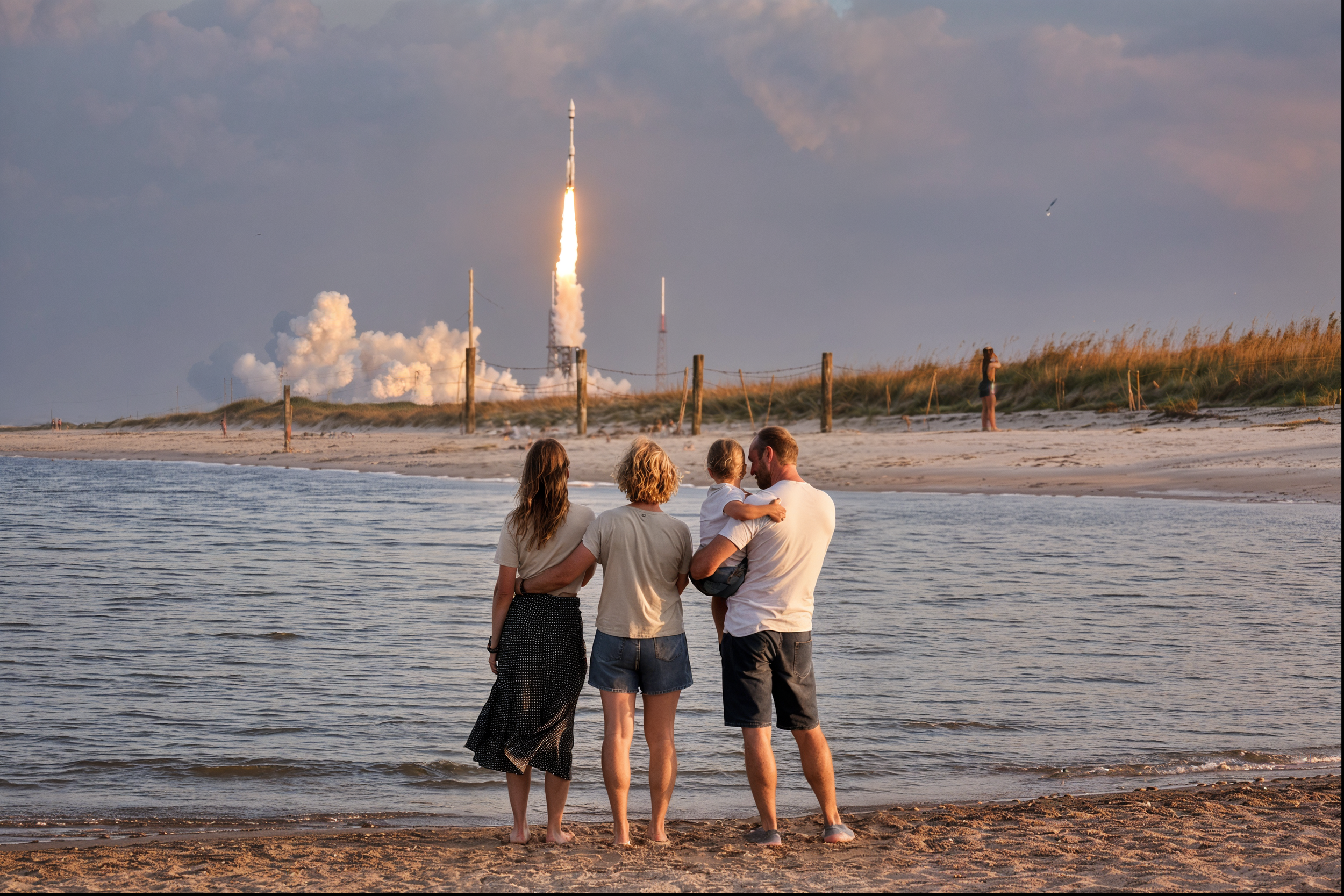
LIVINGFAMILIES FIRST
Spaceport Cities are designed around a simple principle: the long-term success of a civilisation depends on its ability to form, raise, and launch capable families.
Drawing on the research in Urban Healthonomics, we recognise that urban form shapes health, productivity, and economic performance. Cities that are stressful, unaffordable, and socially fragmented (like many in the West) struggle to sustain family life. Cities that are beautiful, walkable, and high-trust compound across generations.
Frontier Families First means designing for the full arc of life:
The conditions for young professionals to meet, partner, and build a future.
Healthy, affordable homes embedded in walkable neighbourhoods where children can move independently and safely.
Schools, parks, and public spaces that foster resilience and social cohesion.
Economic opportunity so that when children fly the nest, they can build, invent, and thrive without leaving.
A true frontier city can’t just be a place of technological acceleration. It must be a place where the next generation is stronger, healthier, and more capable than the last.
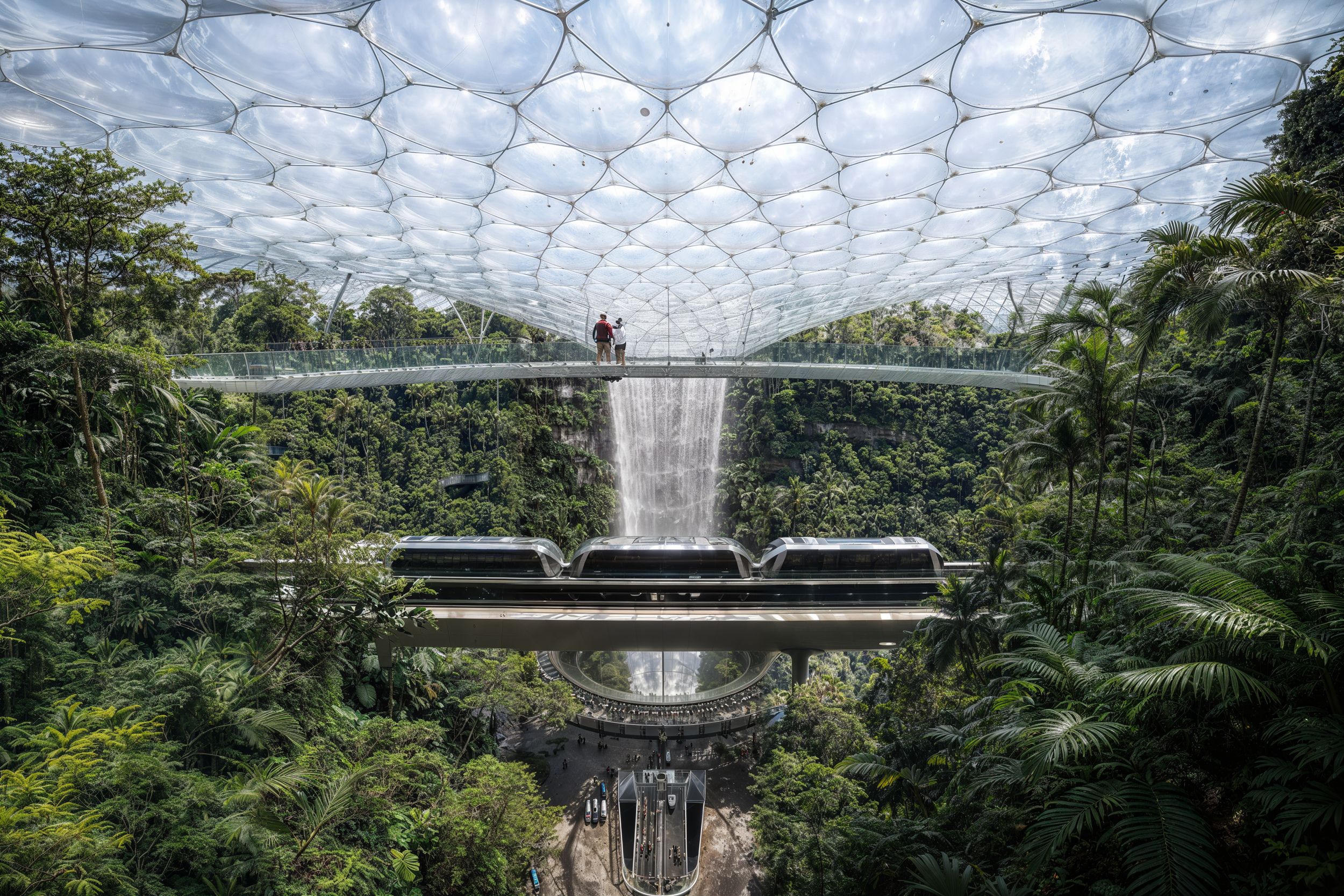
The economic infrastructure of High Frontier Zones (HFZs) is engineered to support agentic, always-on economic activity between humans, companies, and AI agents. Allowing AI agents to transact directly with i
MARS GRADE CLIMATe RESILIENT DESIGN
PARA-TERRAFORMING
BEAUTY OF FLORENCE
SCALE AFFORDABLY WITHOUT CONSTRAINTWe believe that an abundant sci-fi city should, at a minimum, look as beautiful as the past. We have the technology to use stone and paint frescos at low cost and at scale. In FOUNDATION cities, this kind of beauty will be seen as boring and commonplace.
Just the way it should be.
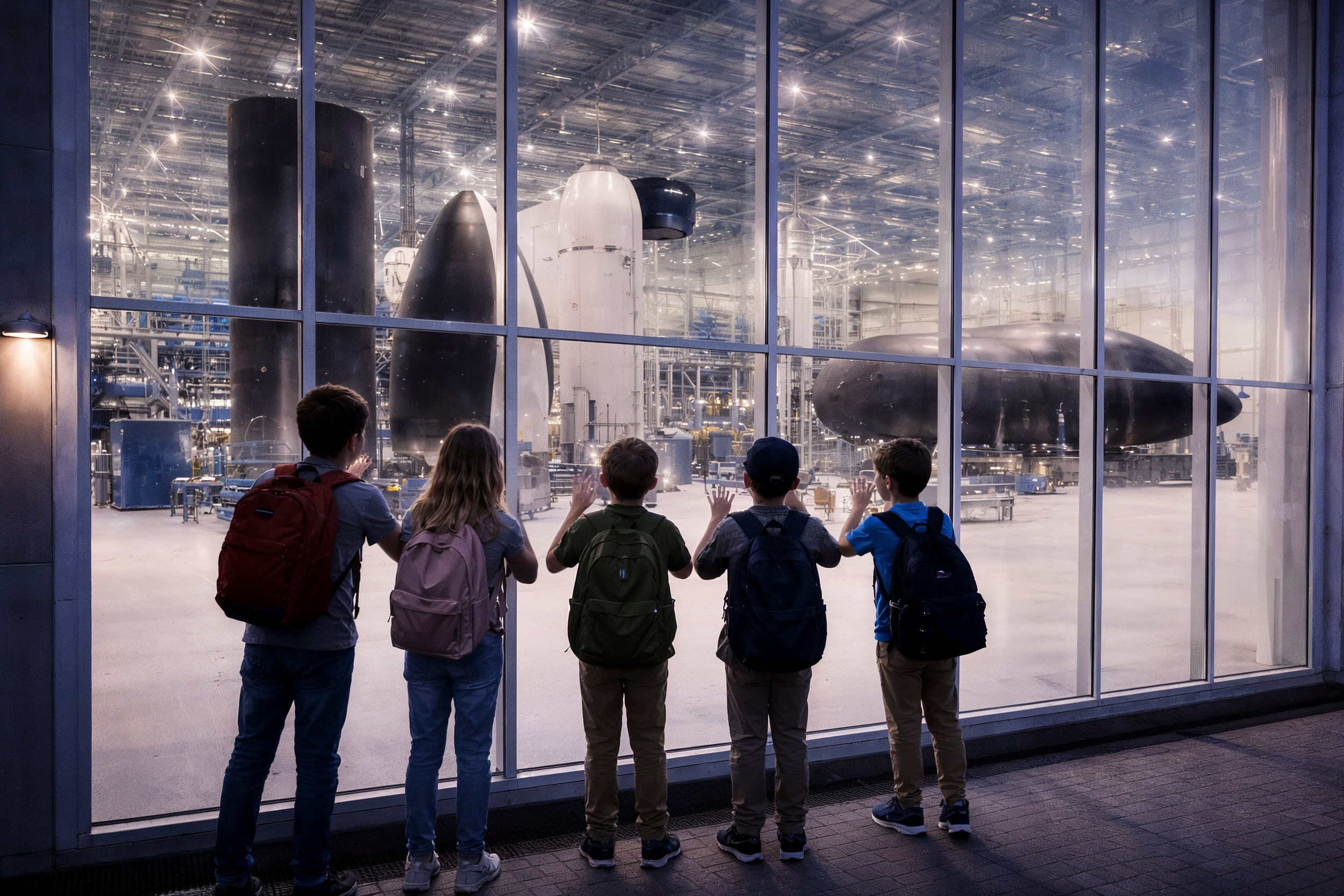
INSPIRATION OF STARBASE
SCALE AFFORDABLY WITHOUT CONSTRAINTWe believe that an abundant sci-fi city should, at a minimum, look as beautiful as the past. In FOUNDATION cities, this kind of beauty will be seen as boring and commonplace.
Just the way it should be.
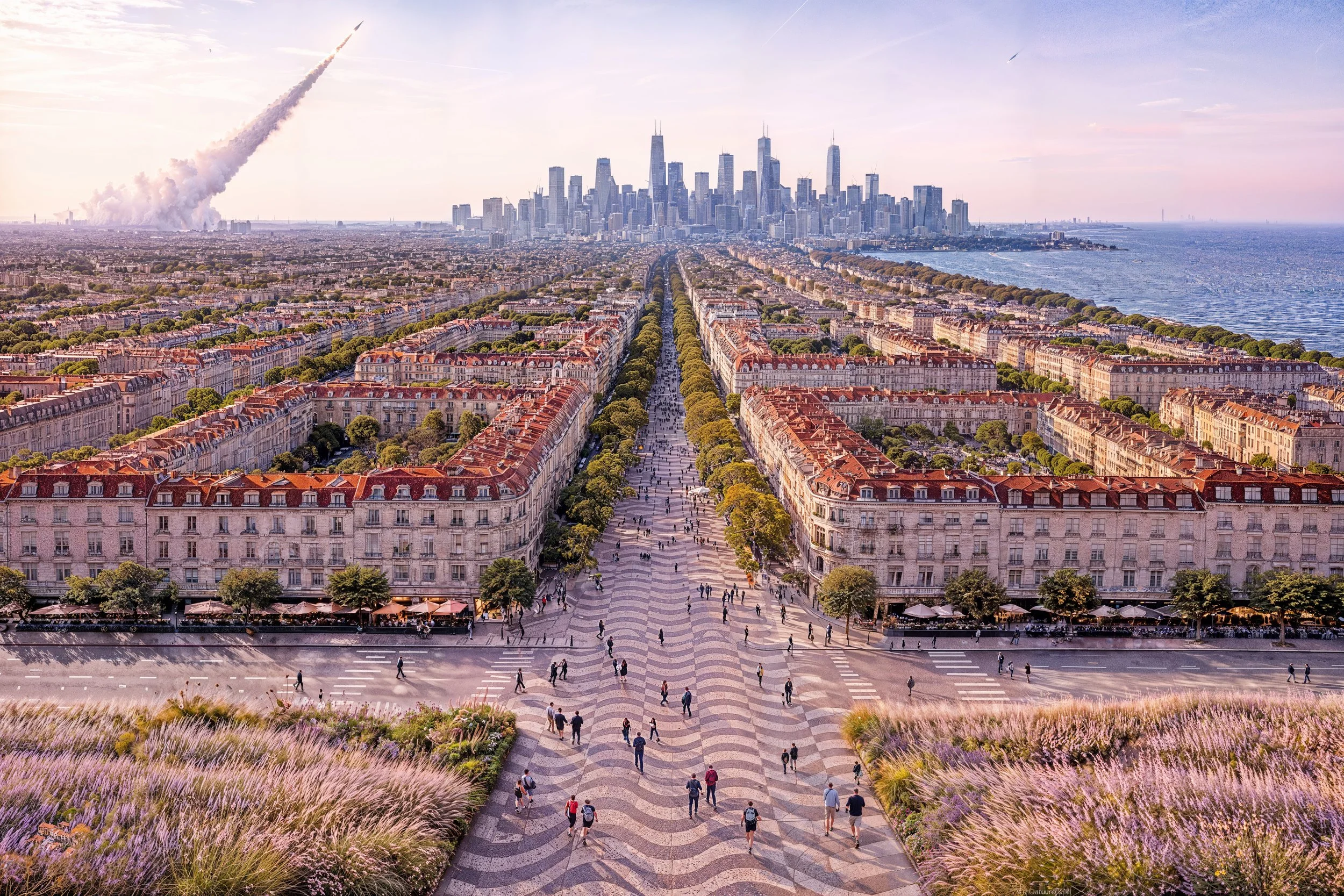
WALKABILITY OF COPENHAGEN
SCALE AFFORDABLY WITHOUT CONSTRAINTWe believe that an abundant sci-fi city should, at a minimum, look as beautiful as the past. In FOUNDATION cities, this kind of beauty will be seen as boring and commonplace.
Just the way it should be.

HIGH-TRUST OF TOKYO
SCALE AFFORDABLY WITHOUT CONSTRAINTThe economic infrastructure of High Frontier Zones (HFZs) is engineered to support agentic, always-on economic activity between humans, companies, and AI agents. Allowing AI agents to transact directly with i

SUBSURFACE, ISRU GRADE INFRA OF MARS
SUBSURFACE, ISRU GRADE INFRA OF MARS
SCALE AFFORDABLY WITHOUT CONSTRAINTIn FOUNDATION, BUTTRESS clouds grow to support GW scale workloads while producing up to 8.3 TWh / year, enough to air condition 800,000 homes. at consistely low cost and low carbon.
POWERED BY BUTTRESS
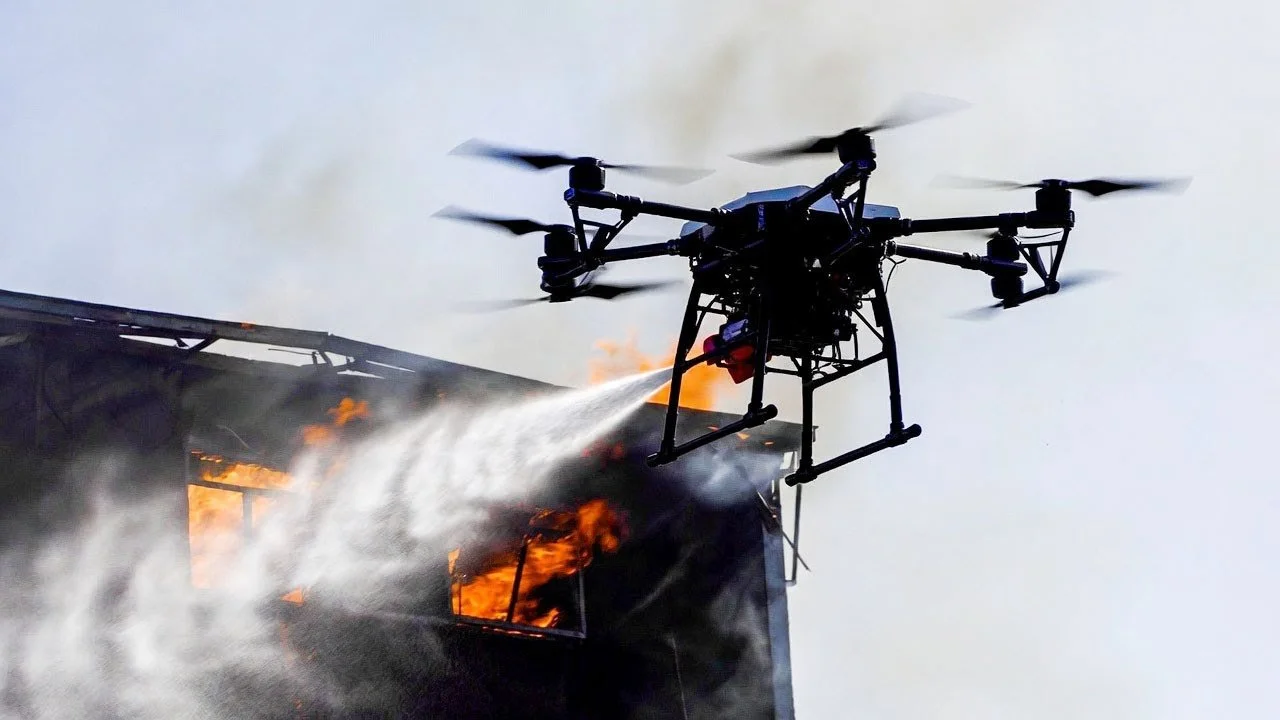
DRONE FIRST EMERGENCY RESPONSE
SCALE AFFORDABLY WITHOUT CONSTRAINT
The economic infrastructure of High Frontier Zones (HFZs) is engineered to support agentic, always-on economic activity between humans, companies, and AI agents. Allowing AI agents to transact directly with i
onchain economy
SCALE AFFORDABLY WITHOUT CONSTRAINT05 | TECHNO-SCHENGEN ZONE
FRICTIONLESS MOVEMENT + ACCESS TO ALL NETWORK RESOURCES06 | AGGLOMERATING ACCELERATORS
RENAISSANCE VENICE FOR DEEP-TECHThe economic infrastructure of High Frontier Zones (HFZs) is engineered to support agentic, always-on economic activity between humans, companies, and AI agents. Allowing AI agents to transact directly with i
onchain economy
SCALE AFFORDABLY WITHOUT CONSTRAINTHOW TO JOIN THE FOUNDATION
BUILD THE HIGH-FRONTIERApply for membership to connect with other FOUNDATION members online, attend events and join the private member’s club network.
Once ready, all members / VISA holders will be invited to move to the city.

stone visa
'At the edges…where the machine is relatively impotent and the individual is strong, is to be found an ennobling and invigorating stimulus for our youth, saving them alike from the corroding ease and the morbid excitements of Western civilization.’
Lord Curzon, Fmr Viceroy of British India, FRONTIERS (RomaneS Lecture), Oxford, 1907