REAL-WORLD DATA. REAL-TIME THROUGHPUT.
BUTTRESS
'THE LOW-CARBON INTERNET FOR PHYSICAL + ORBITAL INTELLIGENCE'Physical AI and satellites face the same scaling bottleneck on Earth that they will face on Mars: they need ubiquitous infrastructure for downlink, compute, storage, inference, and thermal reuse.
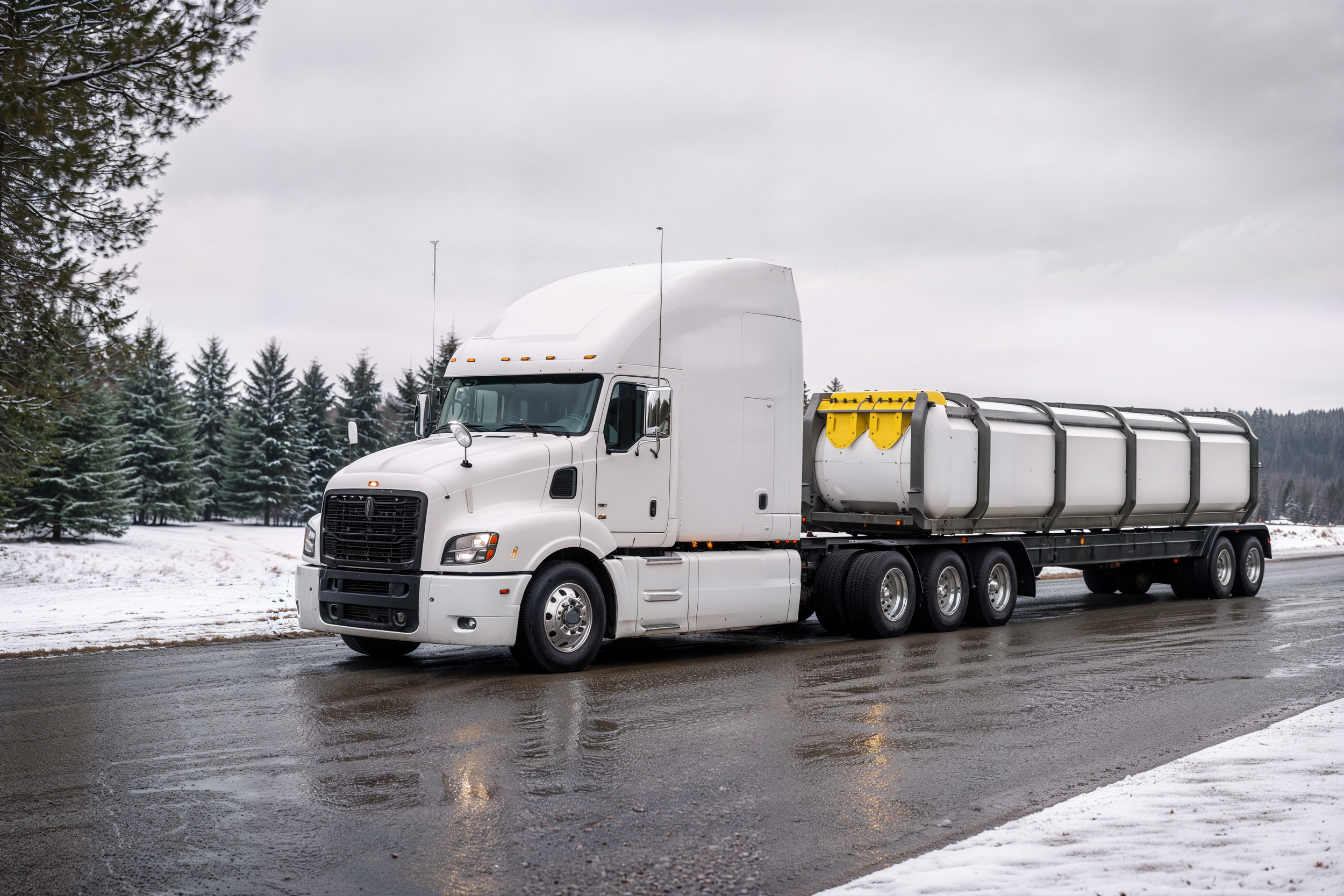
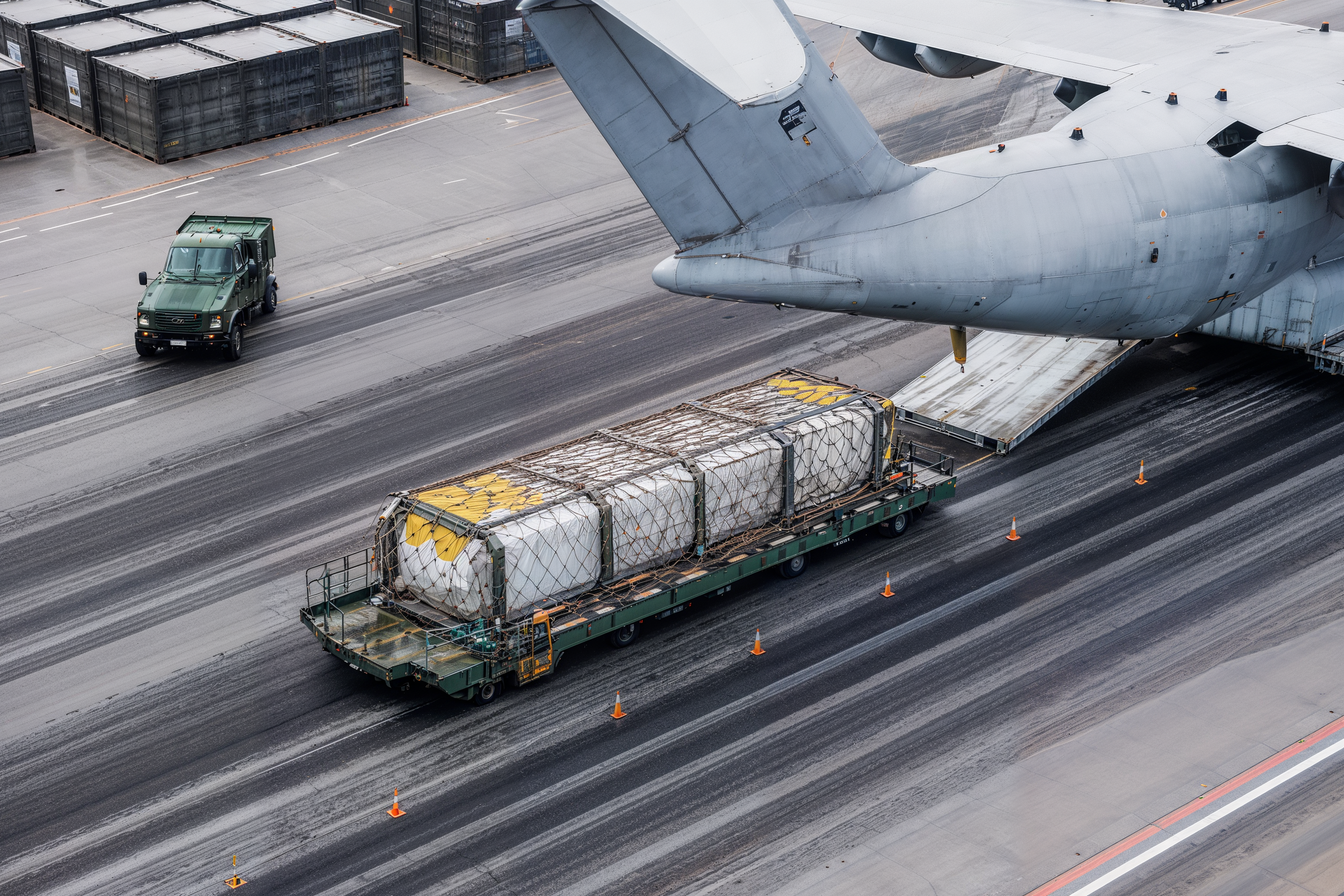
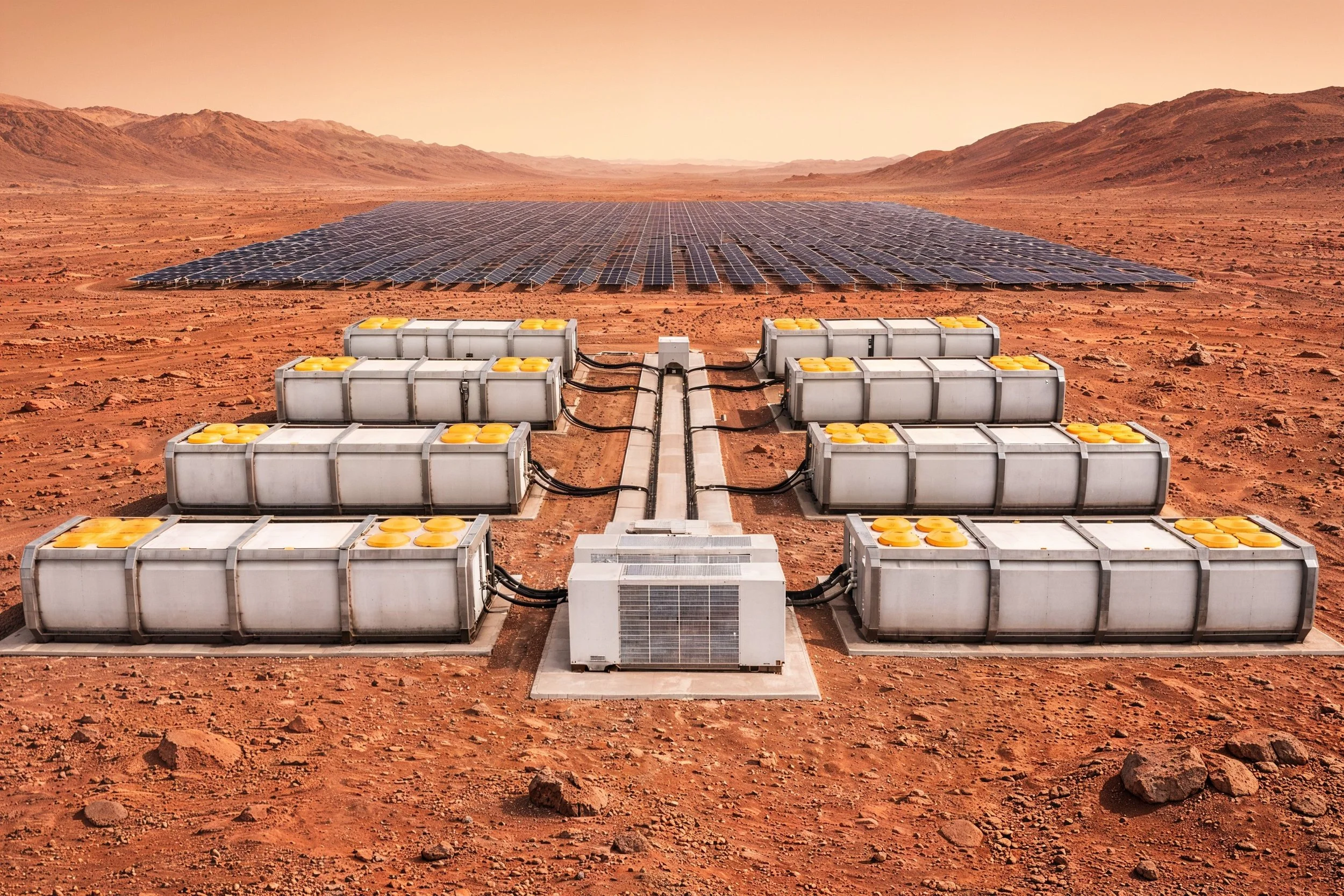
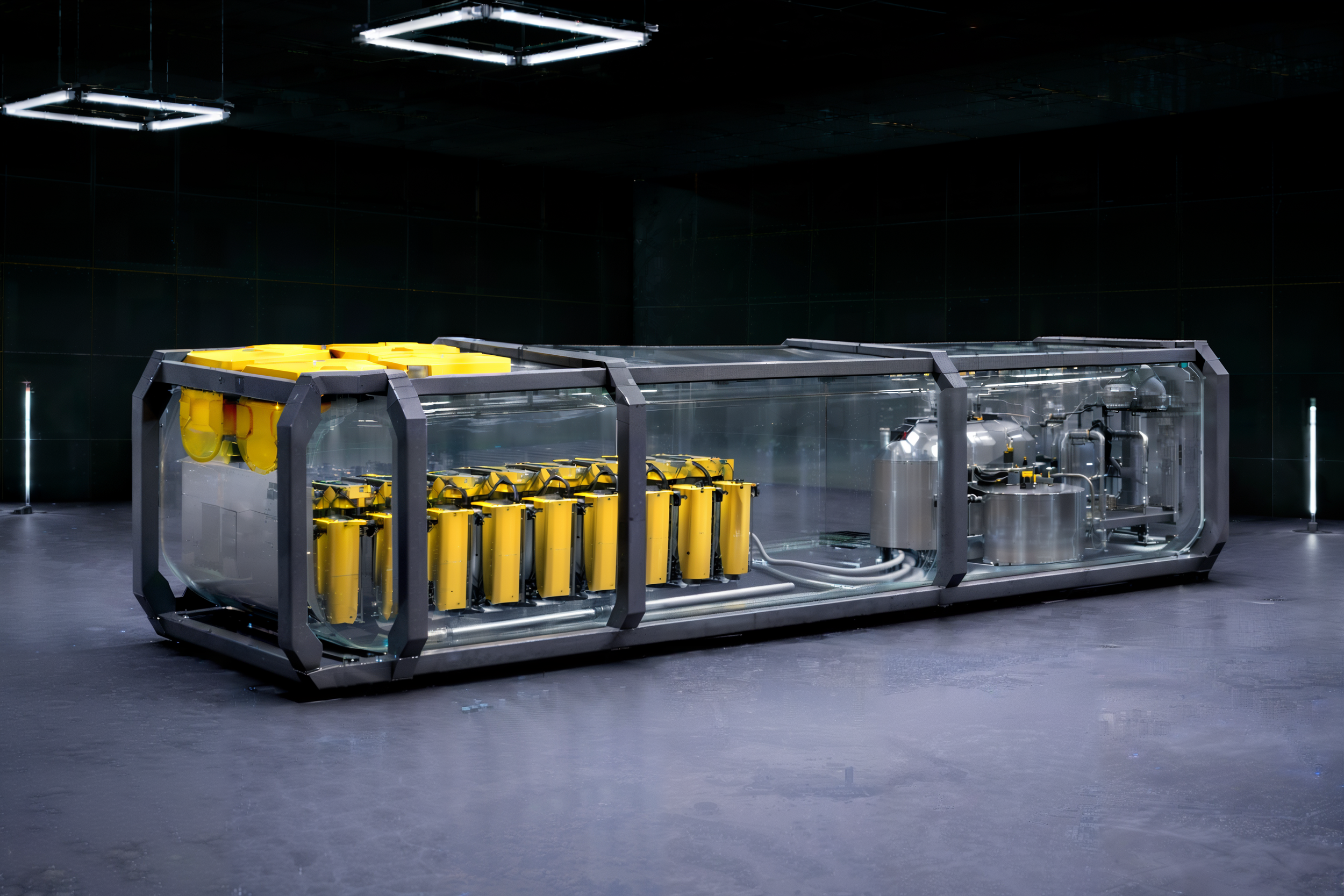
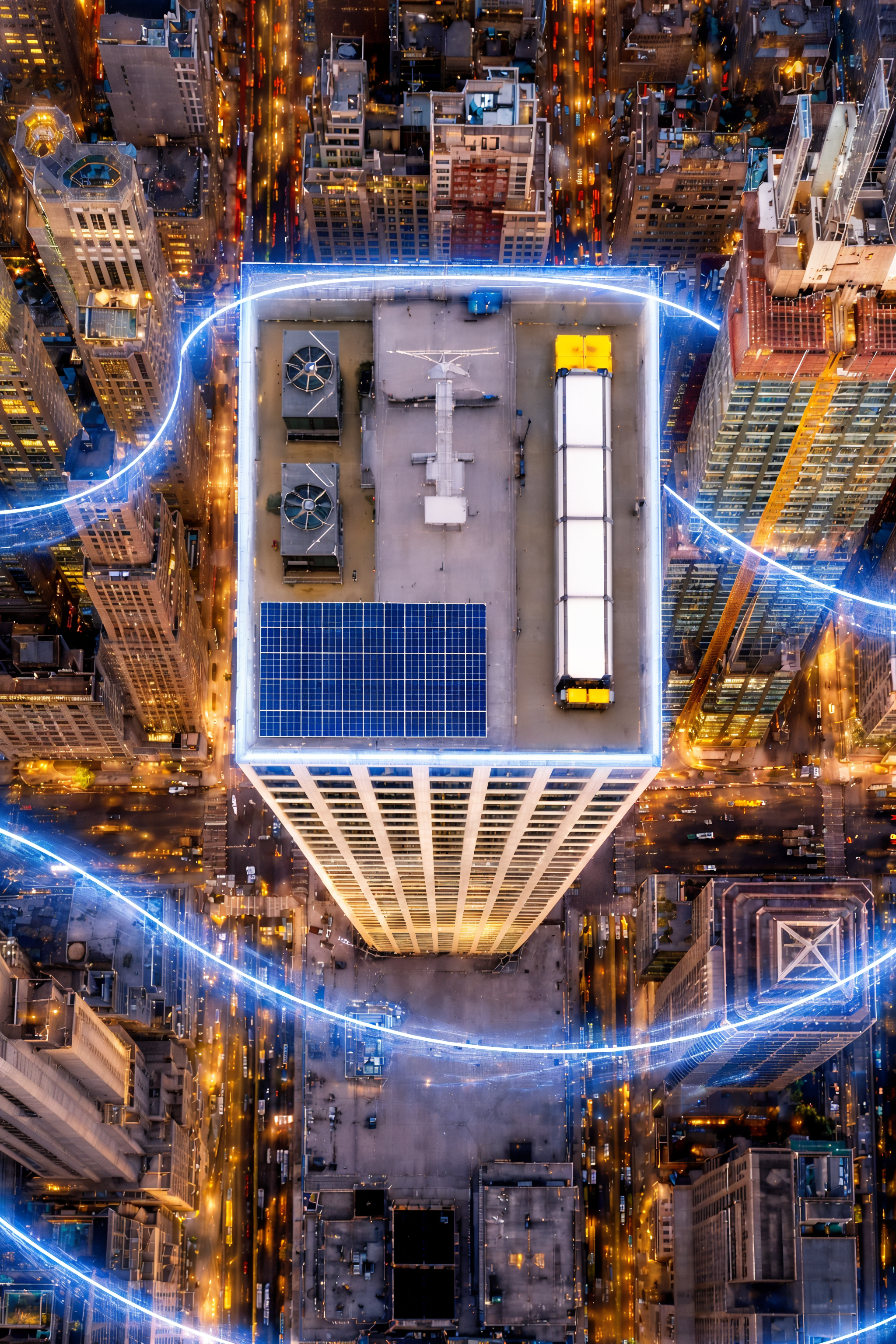
BUTTRESS™ is Mars-grade infrastructure deployed on Earth first. We retrofit existing buildings with containerised edge compute relays that turn the built environment into a distributed data, compute, and thermal network.
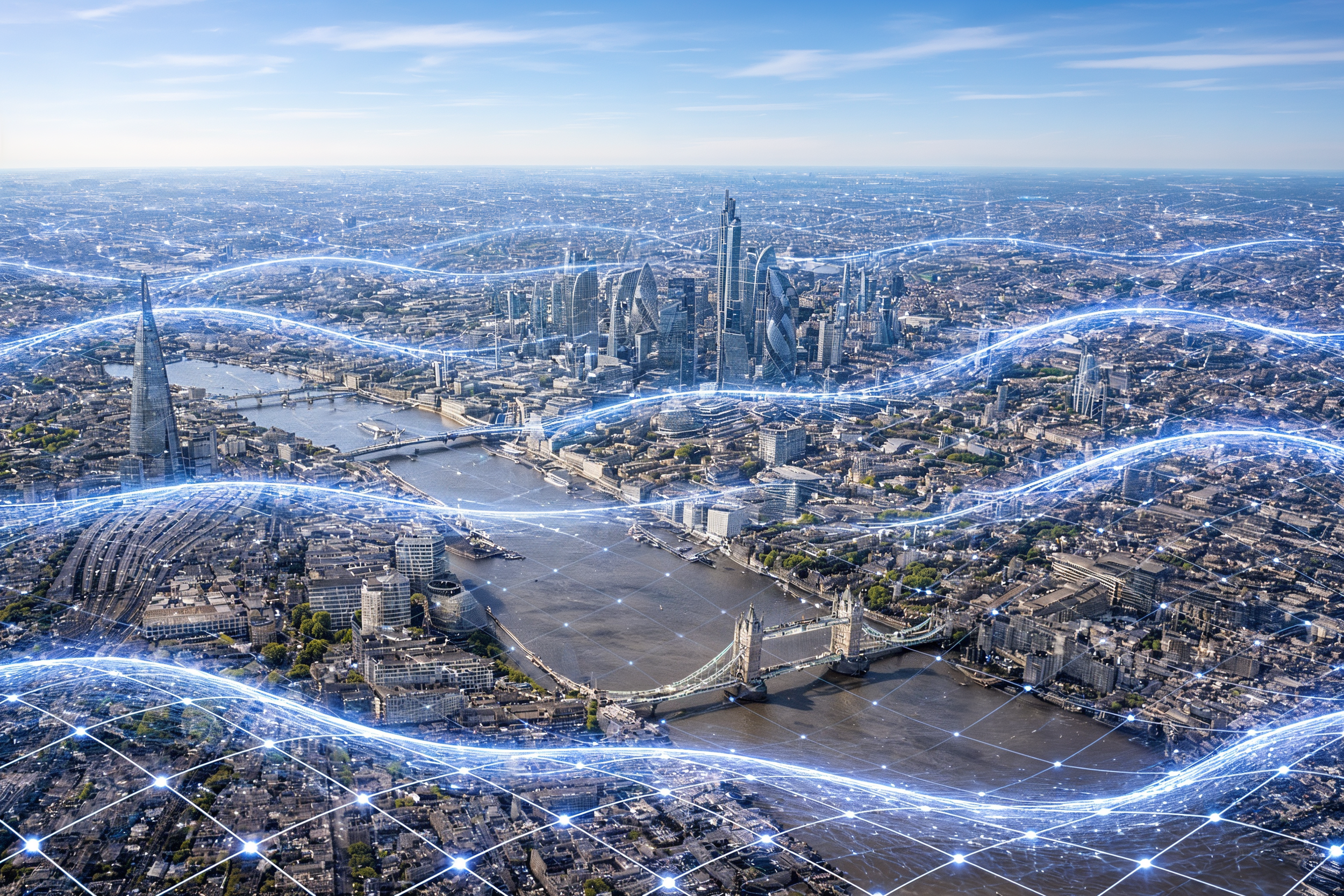
Together with BUTTRESS Cloud, these RELAYS form a city-scale, eventually planet-scale, mesh using RF and lasers. The network allows physical AI and satellite fleets to downlink, process, store, and run inference on data more frequently, affordably, and securely.
The waste heat generated by the compute is repurposed into low-cost, low-carbon heating and cooling for buildings, reducing energy bills, operational emissions, and strain on the power grid.
THE PHYSICAL AI BOTTLENECK ON EARTH + MARSEXPONENTIAL DATA PRODUCTION
HYPER VOLUME:
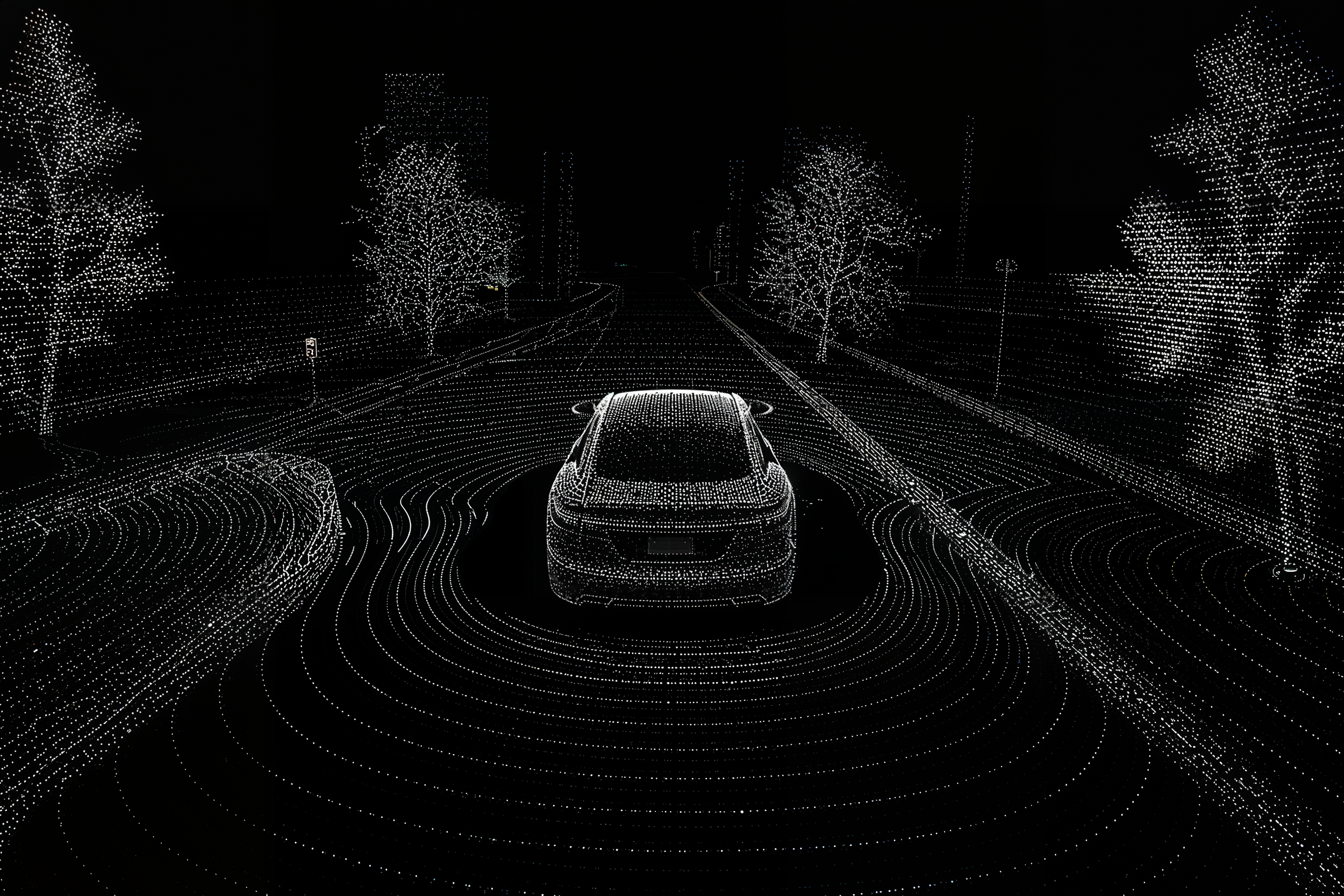
Exponential gains in sensing, miniaturisation, and compute have unlocked physical AI and hyperspectral Earth observation. Autonomous systems can generate over 22 TB of data per day. At fleet and constellation scale, Earth’s internet and downlink infrastructure break down under sheer volume, and create the unacceptable levels of congestion we’re already seeing. In hostile off-world environments like the Moon and Mars, these constraints make industrialisation extremely difficult.
The immediate bottleneck is the ability to ingest, process, store, and transmit petabyte-scale real-world data.
But volume is only the first bottleneck
4-22TB / DAY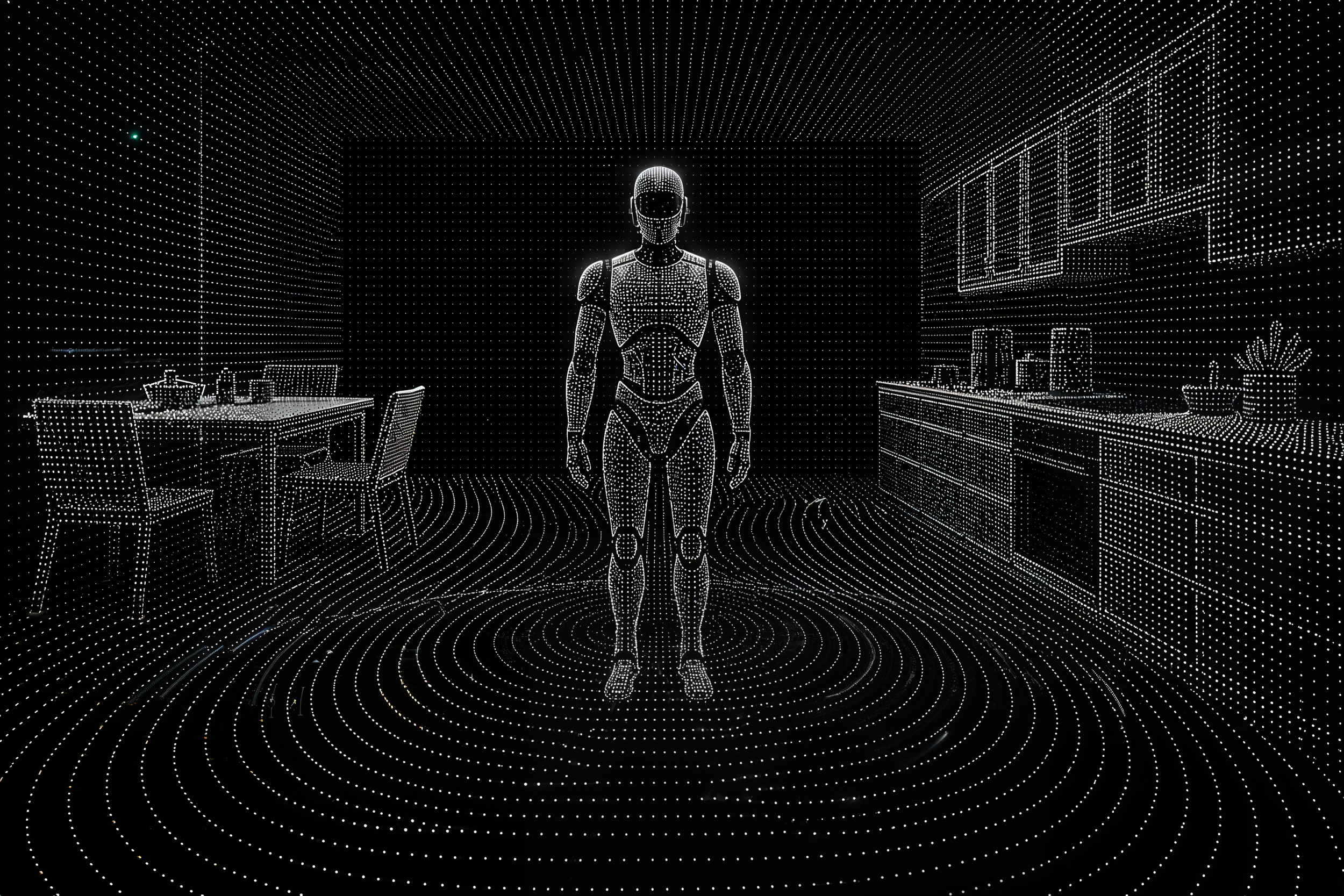
5-55TB / DAY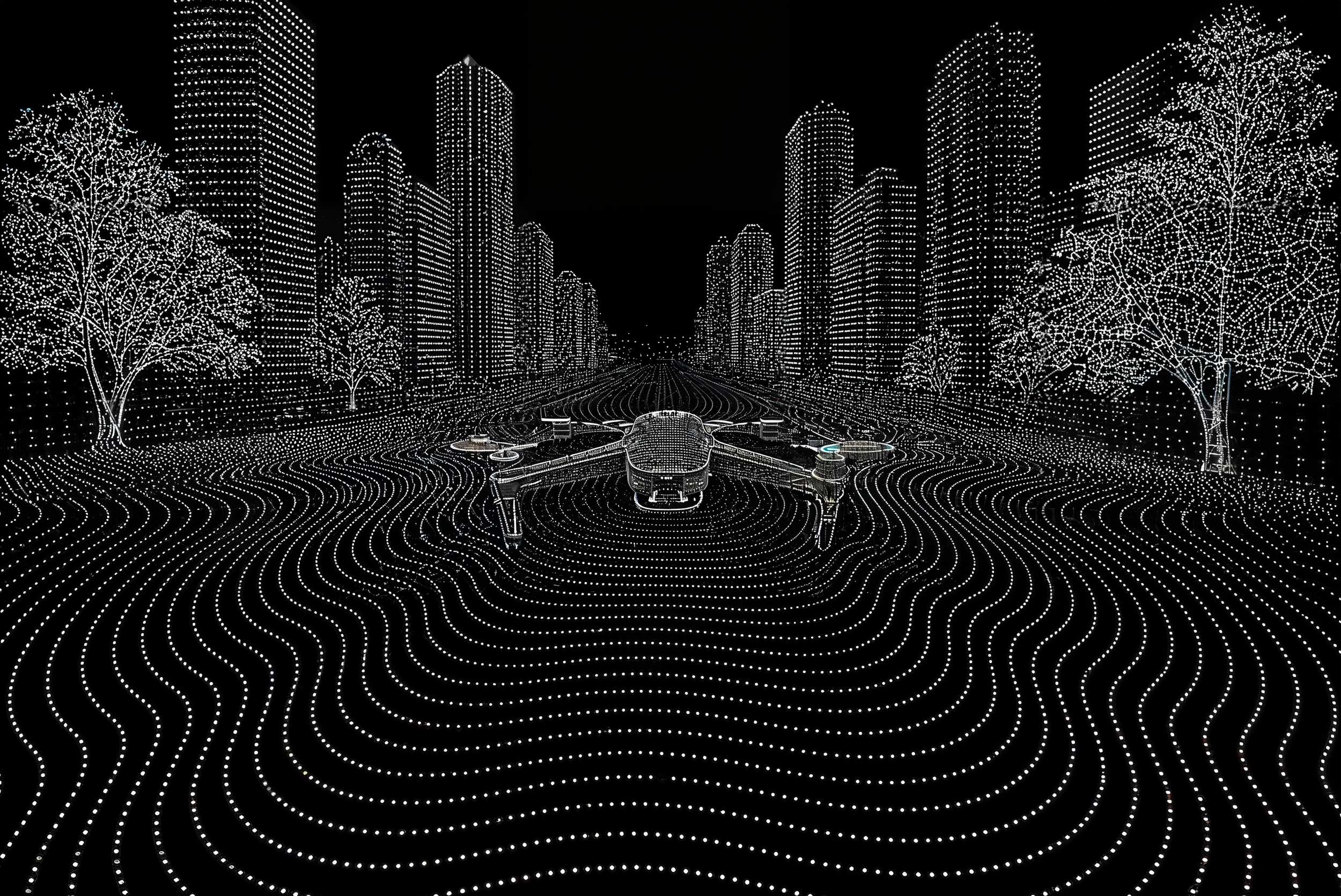
0.3-8TB / DAYAI-DRIVEN HYPER FREQUENCY:
As orbital AI and in-orbit compute scale, satellites will increasingly process data in space, run inference and downlink insights and query responses rather than raw data, mirroring architectures required in bandwidth-constrained environments like Mars.
While positive, this simply creates a new bottleneck: frequency. In time, mission-critical applications on Earth and Mars will require continuous, low-latency data exchange between orbital systems, cities, and autonomous fleets.
BUTTRESS is designed for both regimes: scaling high-volume data movement and processing today, while enabling the high-frequency, real-time data flows required for multi-planetary intelligence.
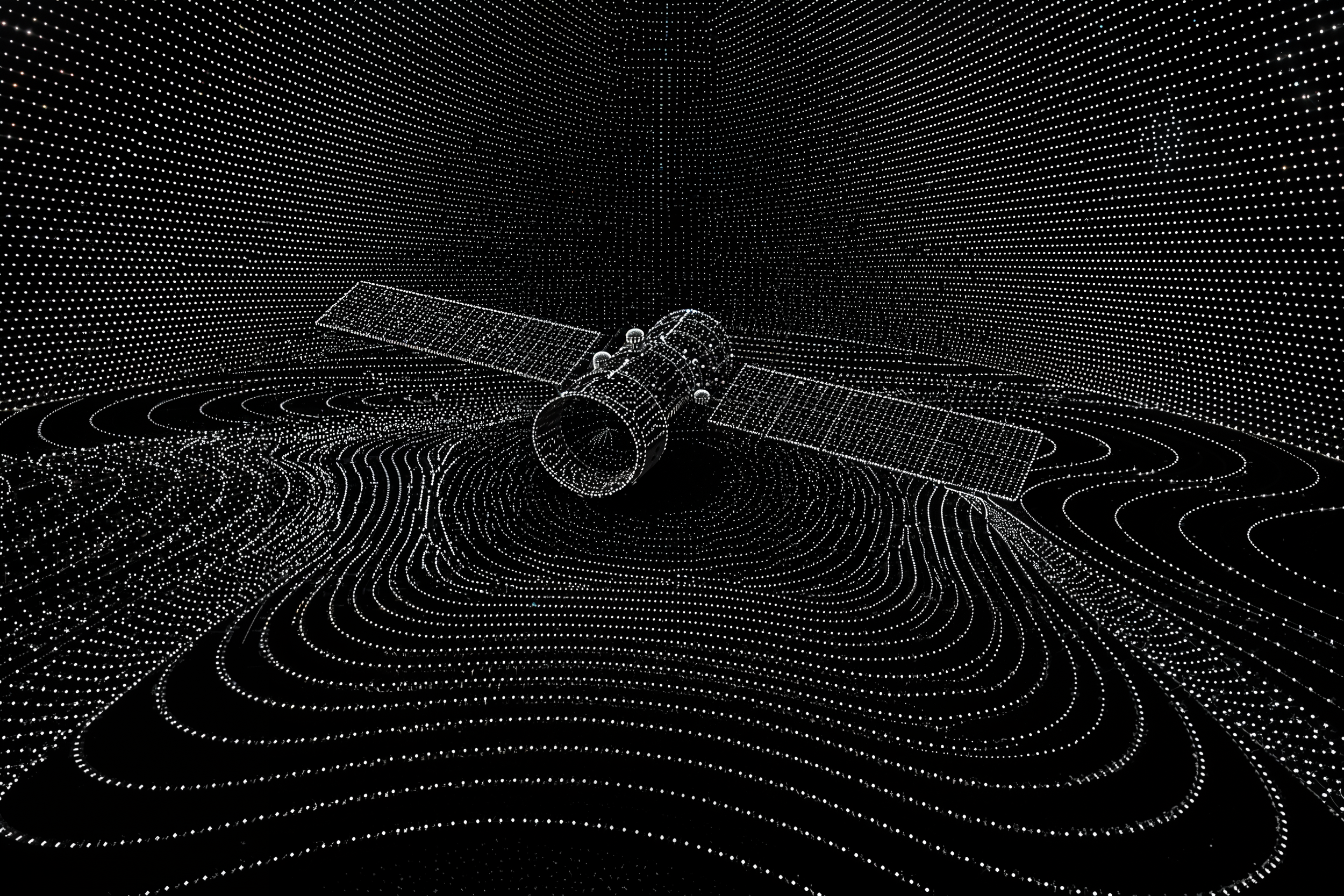
1-5TB / DAYCITIESautonomous urban economIES ON EARTH AND BEYONd
URBAN GDP ████████████████ 80% RURAL ██ 10% OTHER ██ 10%
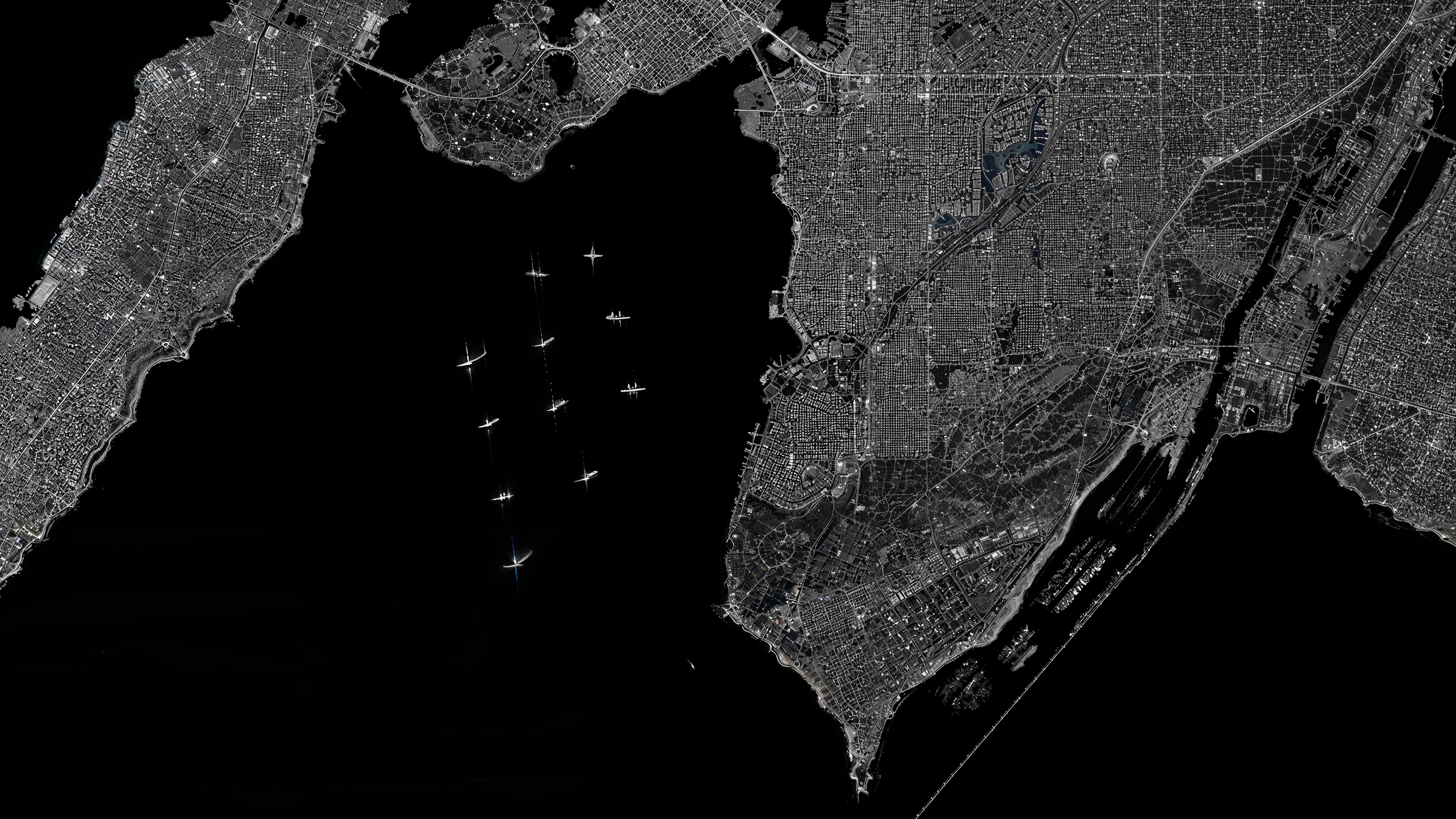
BUTTRESS is natively urban because cities generate roughly 80% of global GDP and will host the majority of autonomous systems.
As autonomy scales, deployment follows economic gravity. We expect roughly 80% of autonomous vehicles, drones, and robots to operate in and around cities, and 80% of orbital AI demand to originate there—where density, demand, and coordination requirements are highest.
GLOBAL GDP DISTRIBUTIONPHYSICAL AI DEPLOYMENT DISTRIBUTIONThis pattern becomes more extreme off-world. Industrialisation and economic activity will be predominantly autonomous, and human presence—when established—will be dense, urban, and reliant on autonomous systems due to hostile environments and limited labour.
BUTTRESS serves and accelerates Earth’s cities today while generating the data and operational insights required to build and operate cities off-world.
OFF-WORLD GDP DISTRIBUTION
HDD SWAPPING✓ Simple
X Slow, Labour intensive, Expensive, Higher risk of loss + damage
X Poor for consumers
X Impractical off-world
■ THERE IS A BETTER WAY✓ Secure
X Expensive, high-capacity bandwidth often requires expensive urban sites
X Poor for consumers
X Impractical off-world
LOCAL CELL NETWORK✓ Convenient
X Impractical for consumers
X Doesn’t scale beyond special purpose depots on Earth and does not work without edge compute off-world
STATUS QUO | AVAILABLE OPTIONSSLOW, EXPENSIVE, RISKY
Legacy infrastructure was not built for the demands of physical and orbital AI. Each data-offload option constrains fleet scaling and off-world deployment.
ETHERNET CABLE
GROUND STATIONS✓ Simple
X Slow, Labour intensive, Expensive, Higher risk of loss + damage
X Impractical off-world
BUTTRESS NETWORK
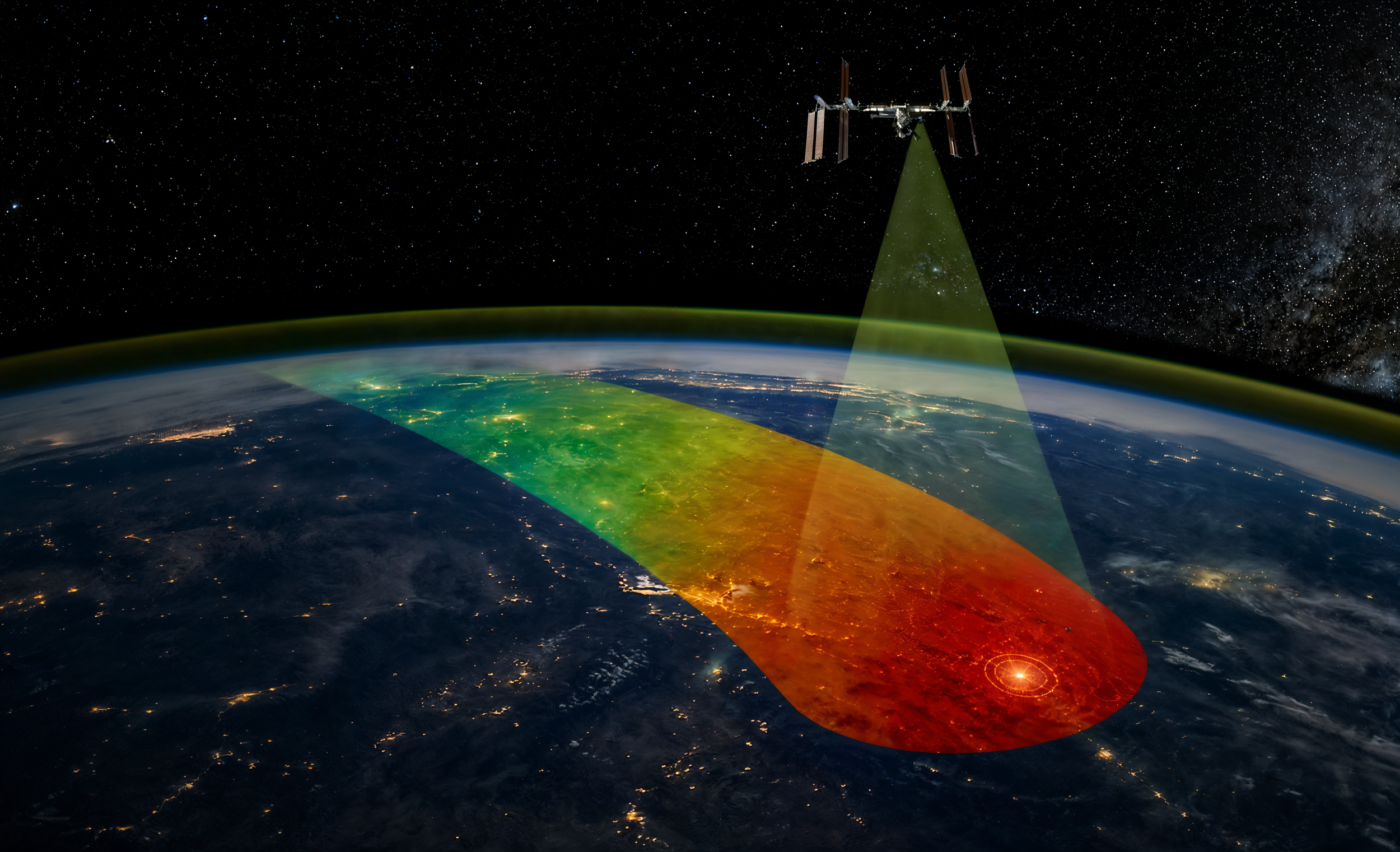
■ BEFORE: 90 min downlink cadence VIA ISOLATED | SLOWER, HIGH BACKHAUL DISTANCE PENALTIESHOW IT WORKSBUTTRESS turns cities into a continuous downlink network, enabling downlink every 10–15 minutes into well-located, edge compute and high-capacity fibre.
This replaces ~90-minute isolated ground-station passes and eliminates long-haul backhaul latency.
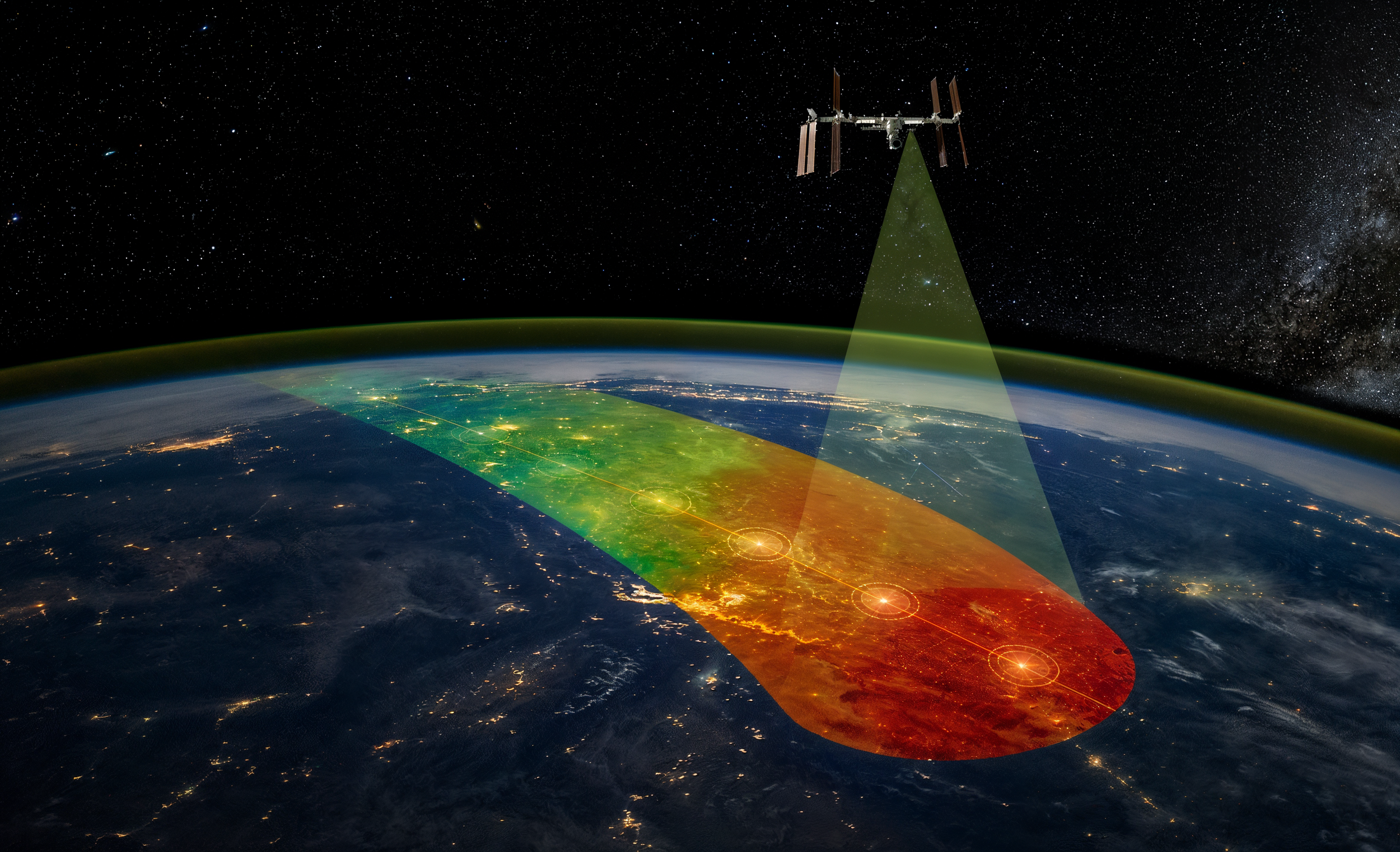
■ AFTER: 10-15 MIN DOWNLINK CADENCE VIA CITY-CHAIN | FAST, NO BACKHAUL DISTANCE PENALTYEO + PLANETARY INTELLIGENCE
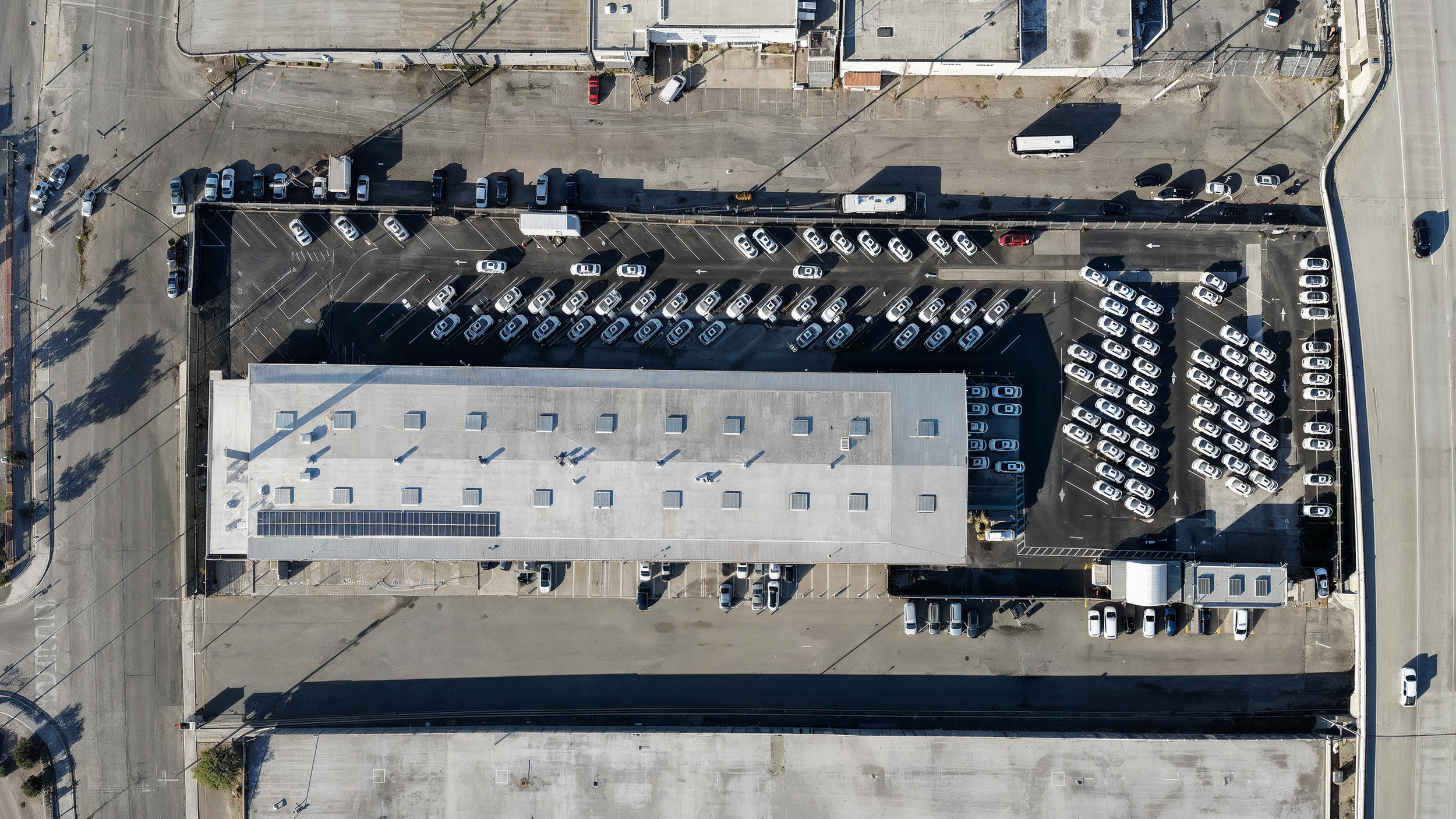
■ BEFORE: DEPOT DATA-OFFLOAD ONLY | SLOWER, FLEETS MUST SCALE WITH EXPENSIVE REAL ESTATEBUTTRESS turns cities into a continuous data offload network for commercial and consumer physical AI fleets.
Data is uploaded wherever assets operate—directly into nearby into our edge compute nodes—replacing depot-based batching and eliminating operational constraints.
This allows fleets operate continuously, improve faster, and scale without increasing onboard compute or real estate footprint.
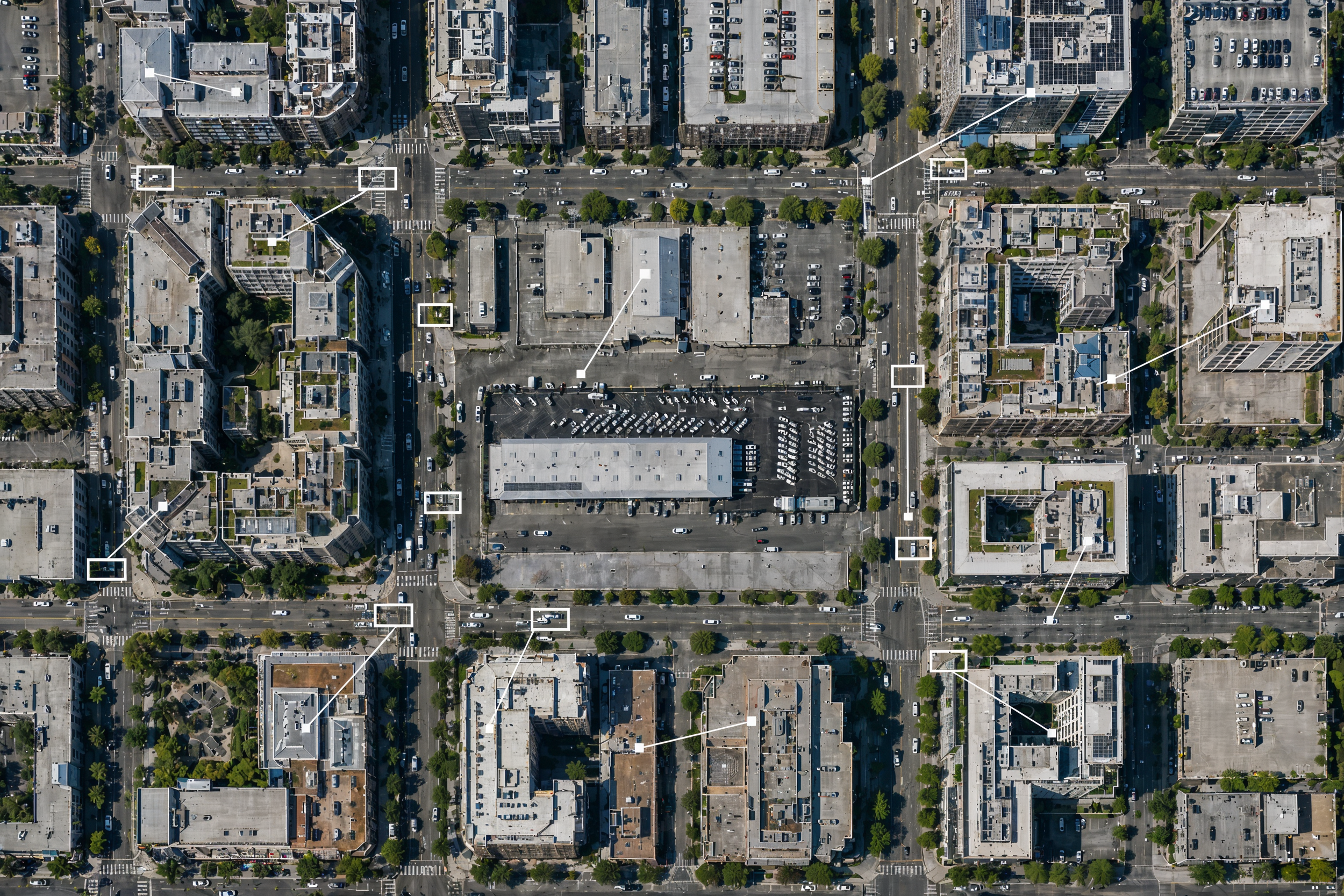
■ AFTER: FREQUENT DATA-OFFLOAD ANYWHERE | FASTER, FLEETS SCALE WITHOUT REAL ESTATEPHYSICAL AI
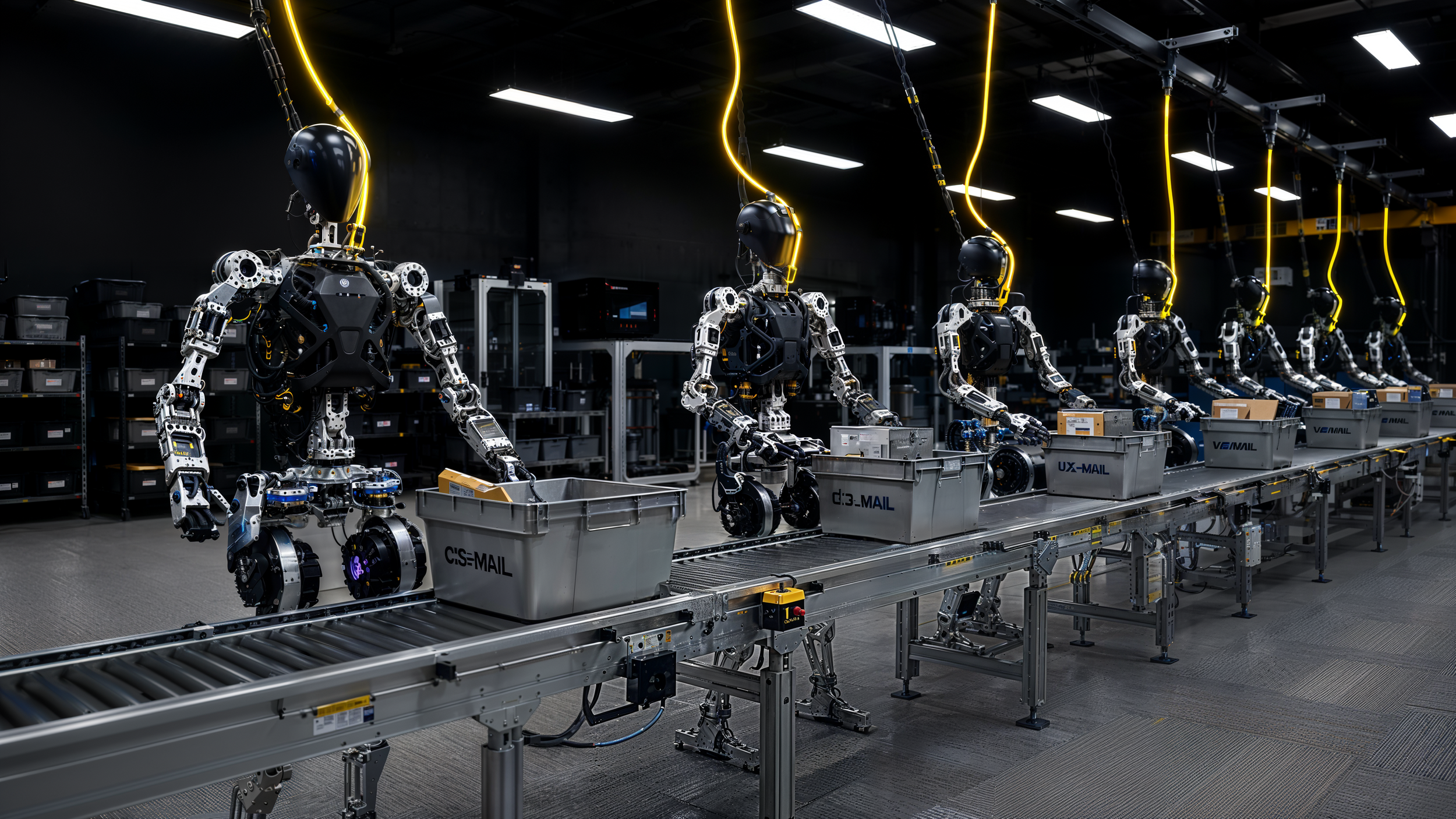
■ BEFORE: PHYSICAL AI UNITS MUST BE TETHERED VIA ETHERNET, OR ROUTINELY DOCK TO TRANSMIT REAL-WORLD DATAAI world models require massive multi-modal datasets—primarily 3D, video, and sensor data from the real world—to build internal representations of physical environments and simulate reality. Unlike LLMs, these models depend on high-fidelity spatial and temporal data to understand physics, predict outcomes, and coordinate autonomous systems in dynamic environments.
As physical and orbital AI fleets scale, they recursively generate the real-world data required to improve their own world models.
The companies with the best physical AI will build the best world models.
The companies with the best world models will have the fastest, most cost-effective real-world-data collection to ingestion loops.
BUTTRESS accelerates that loop to near real time.
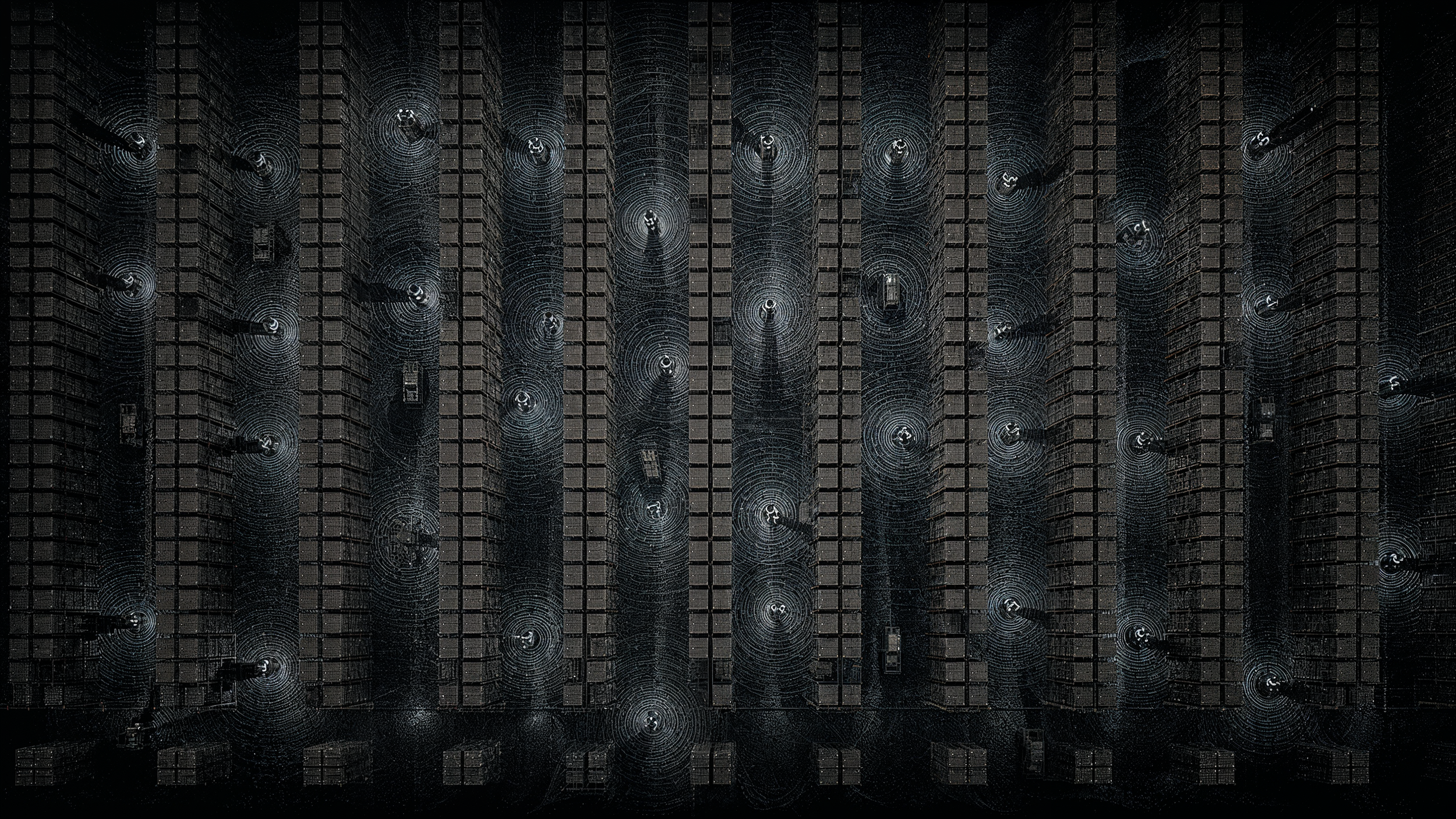
■ AFTER: PHYSICAL AI MOVES FREELY. WIRELESSLY 'BURST'TRANSMIT SENSOR DATA VIA BUTTRESSAI WORLD MODELS
APPLICATIONSONE SERVICE DESIGNED FOR
BILLIONS OF ASSETS.
NO HARDWARE ADAPTATIONS REQUIRED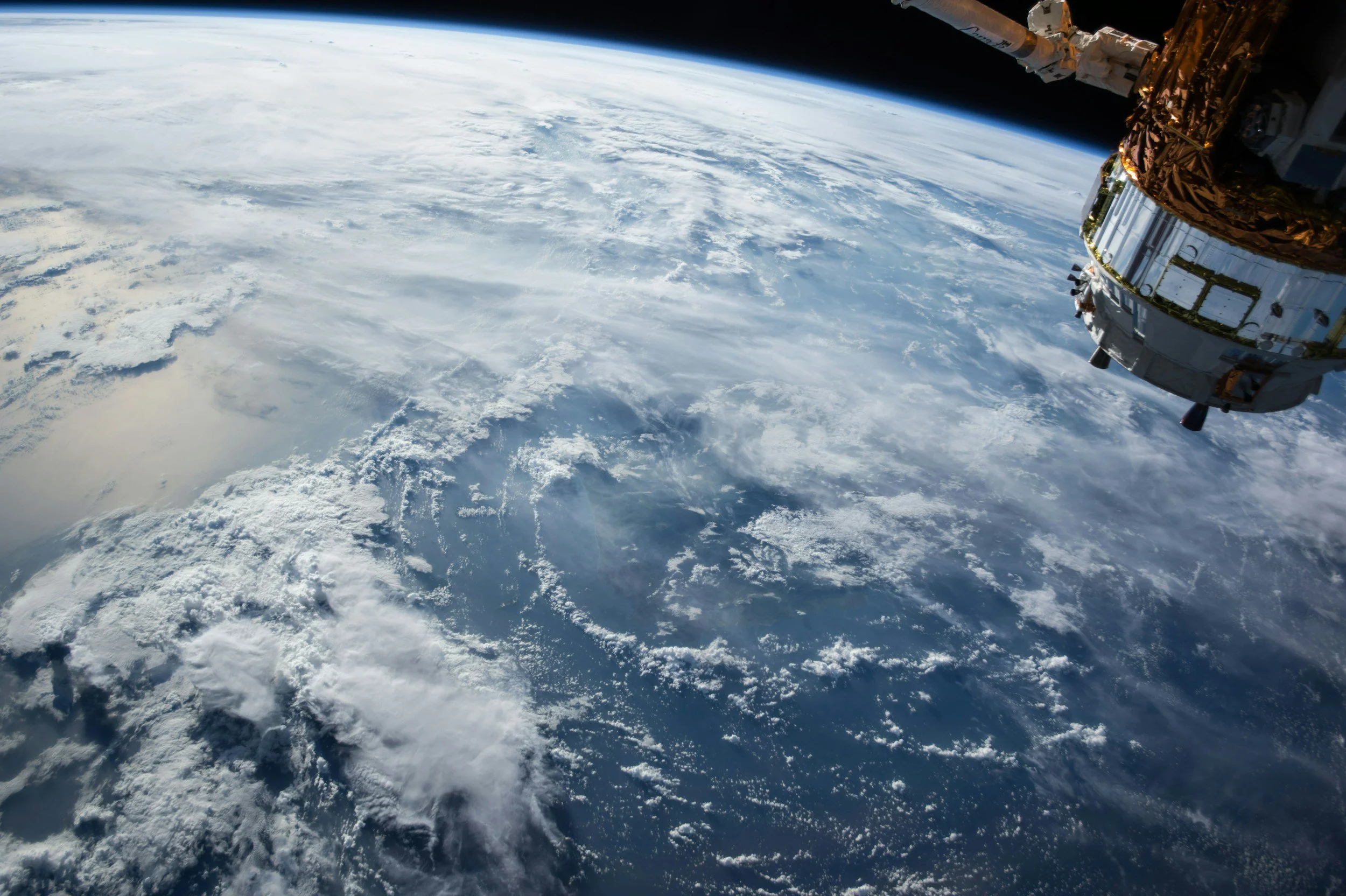
Retrofit constellations with a software upload. Serve more regions and more customers without launching new satellites.
■ 01 | EARTH OBSERVATION10X more DATA. 10X MORE OFTEN.
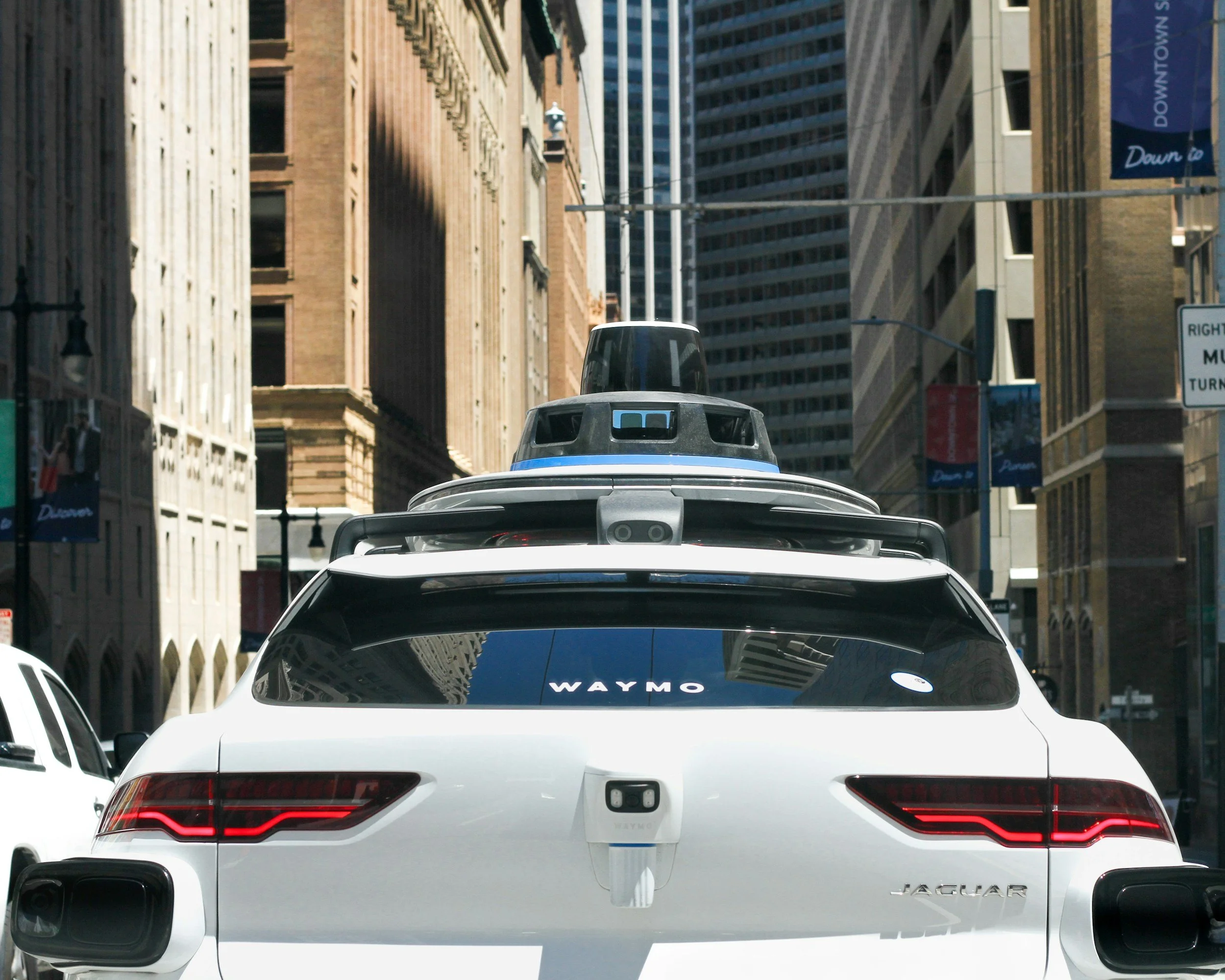
Log compact, ML-ready representations and remove storage constraints. Run inference and analytics faster on compressed.
02 | AUTONOMOUS VEHICLES
Richer edge-case capture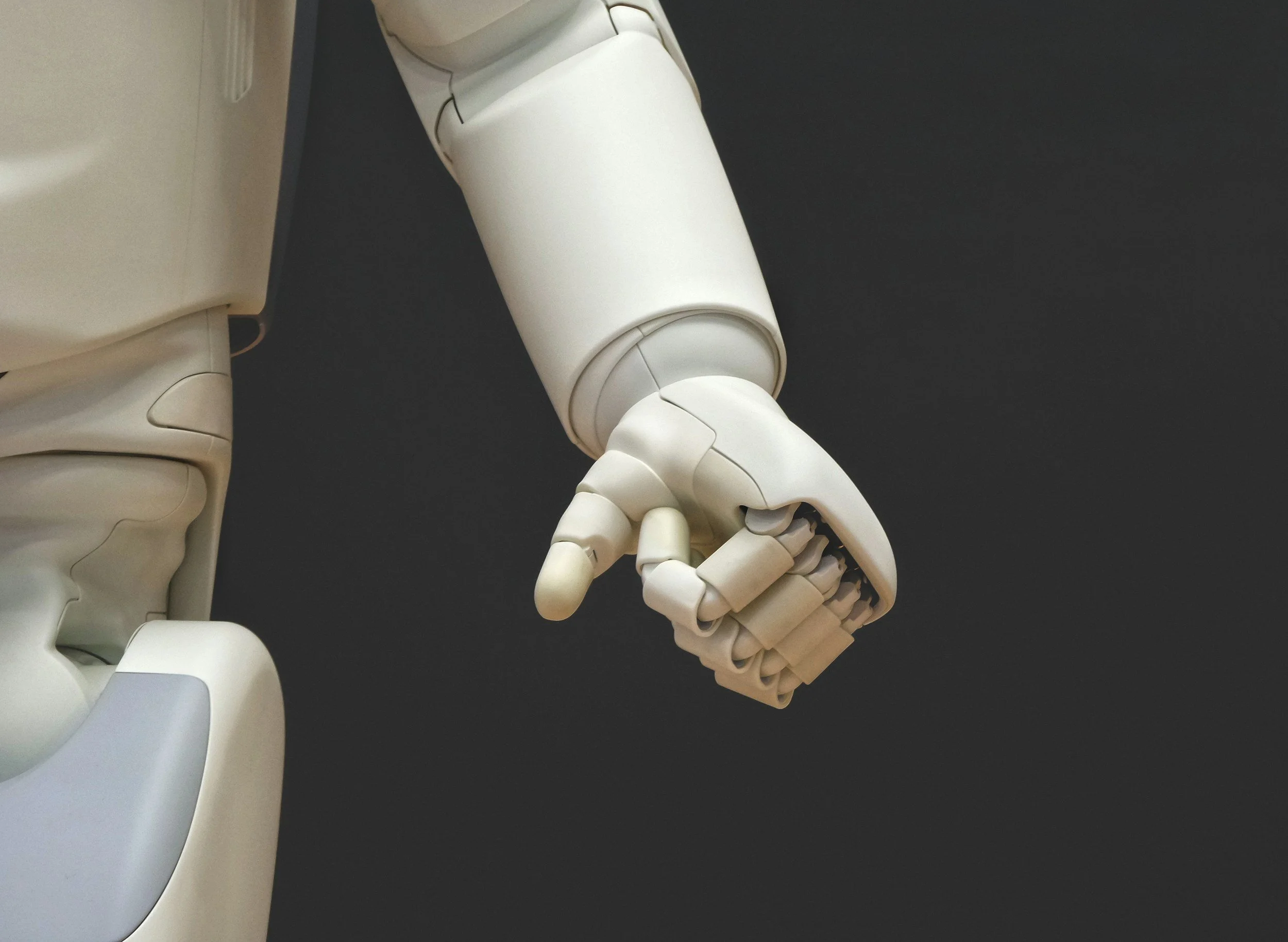
Enable real-time high-definition video feeds for decision-making and remote operations.
03 | ROBOTICS
Sensor data, transmitted faster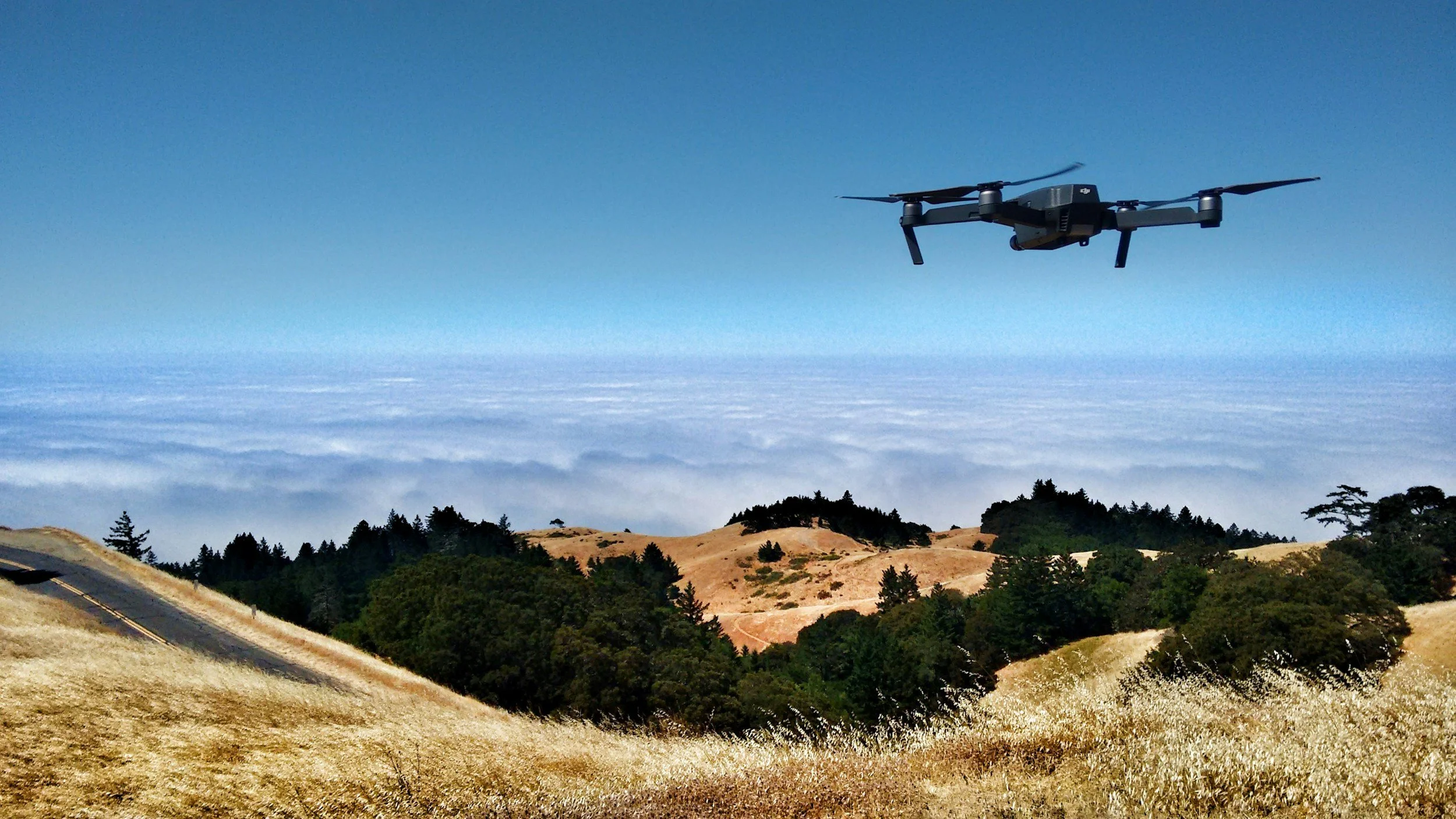
Reduce latency for safer, more precise operations. Improve range and signal quality while preserving analytical detail.
04 | DRONE SWARMS + CUAS
programmable airspace COORDINATE + DEFEND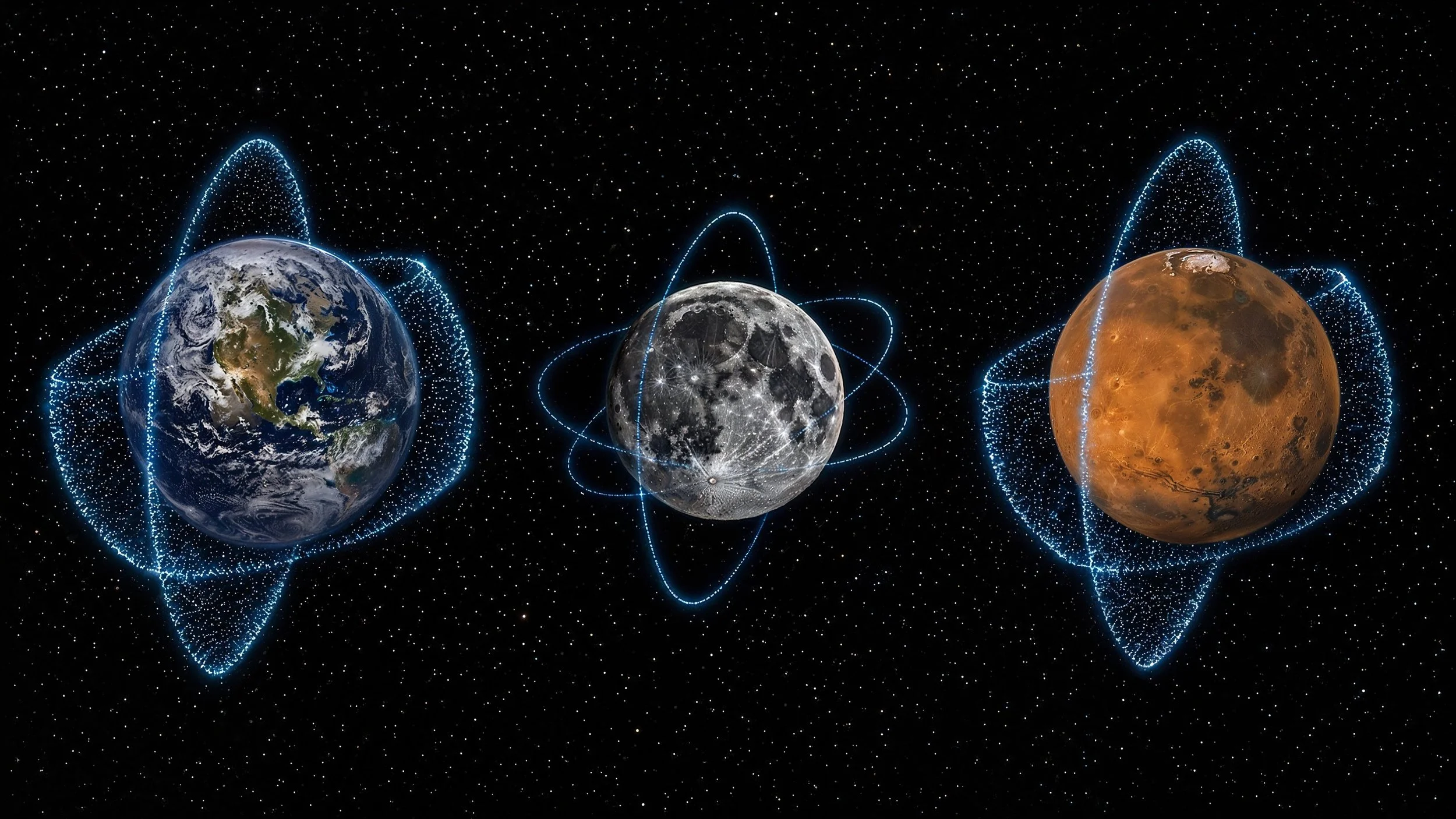
Reduce latency for safer, more precise operations. Improve range and signal quality while preserving analytical detail.
05 | ORBITAL DATA CENTRES
HD mission data in real time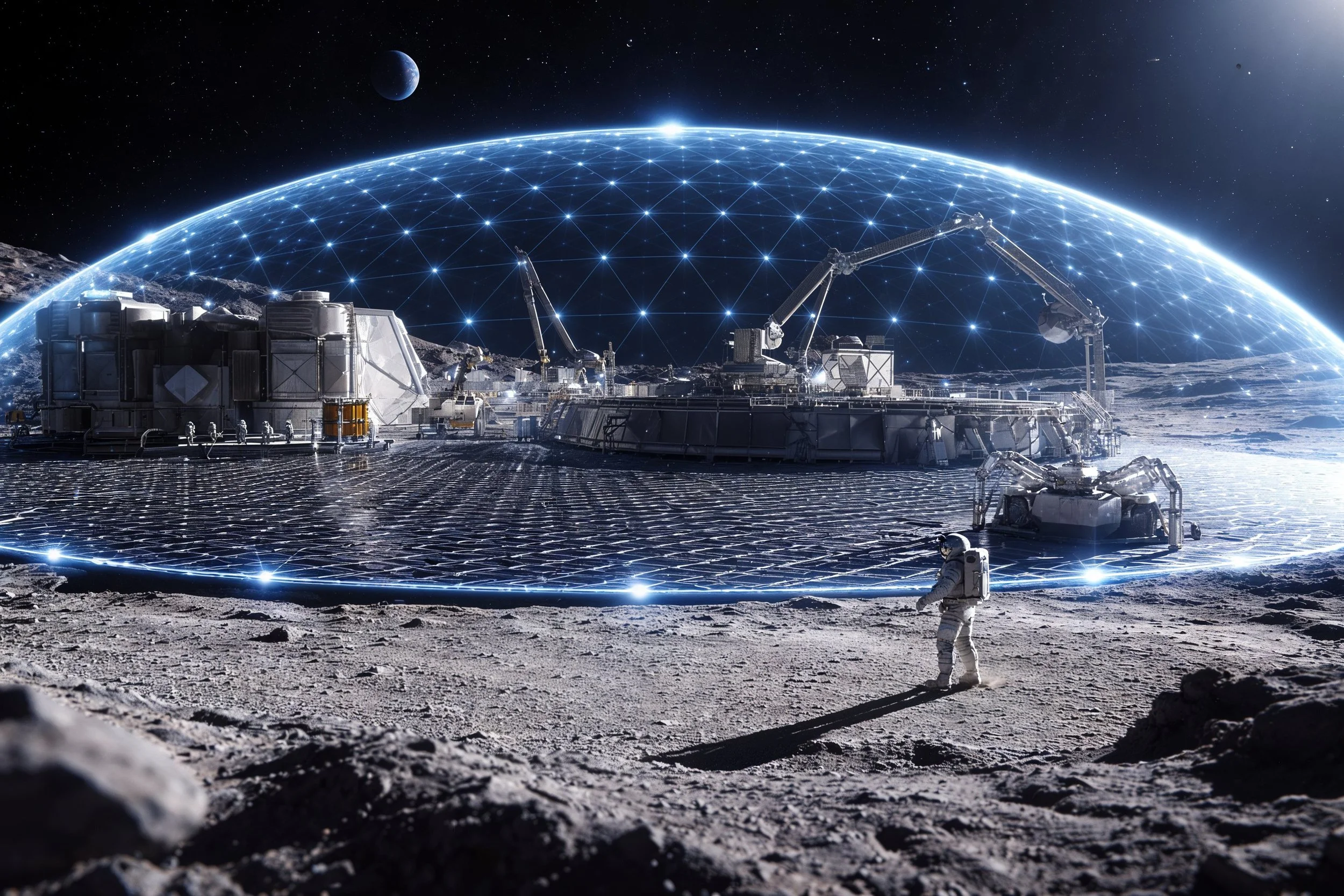
Reduce latency for safer, more precise operations. Improve range and signal quality while preserving analytical detail.
06 | OFF-WORLD AUTONOMY
ISRU: edge COMPUTE + HABITAT HEATING/COOLINGTECHNOLOGY THE INTERNET FOR PHYSICAL + ORBITAL AI
PHYSICAL AI REQUIRES PHYSICAL INFRA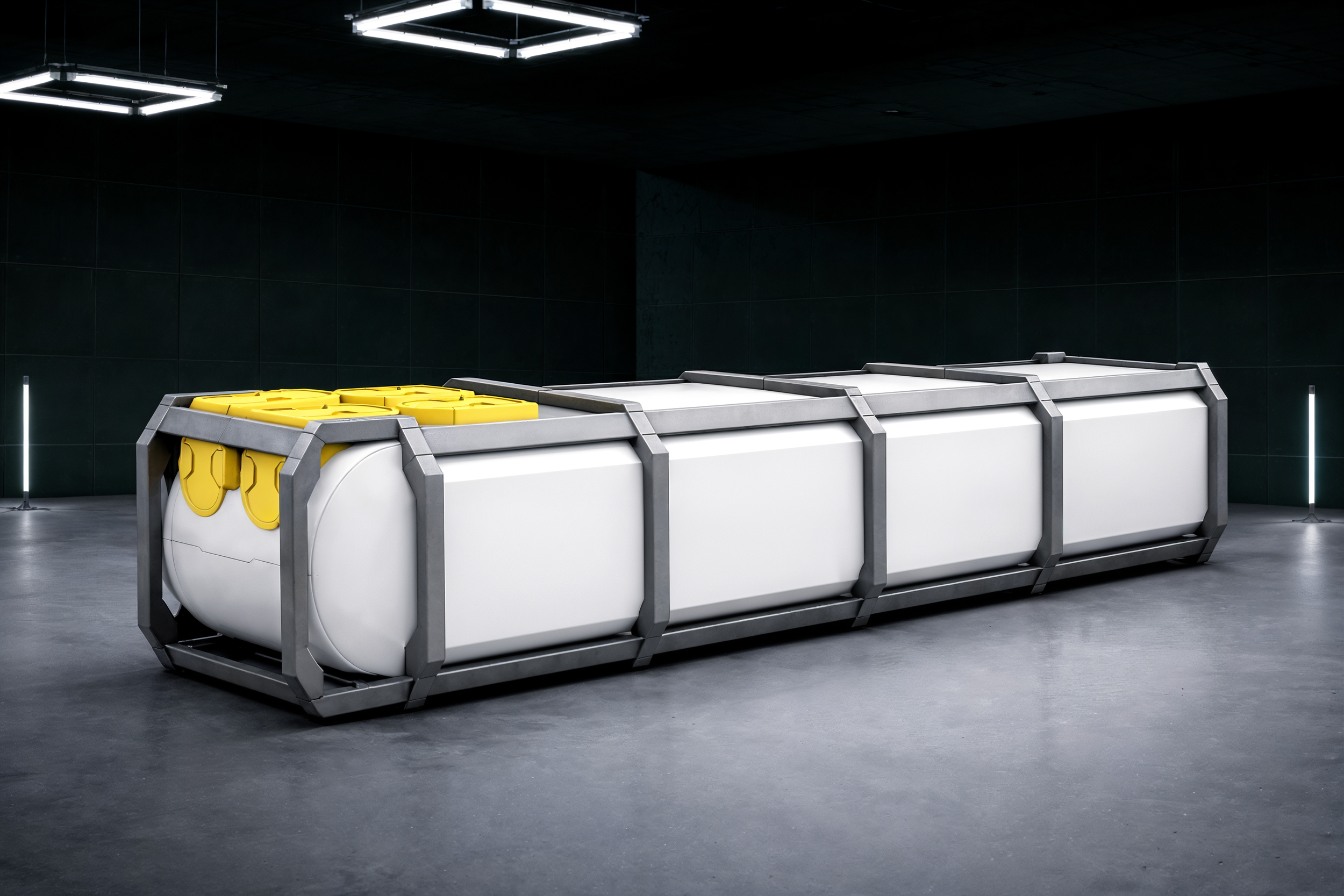
40FT | 0.3 MW | DATA RELAY FOR PHYSICAL INTELLIGENCE | MICRO DISTRICT HEATING & COOLINGBUTTRESS RELAY
2 GWH compute POWER + ENERGY
2 GWh of compute, heating and cooling energy in one box.
Deploy Anywhere
Containerised system designed for rapid deployment and setup.
ScaleS as Needed
Single units or networked systems grow with demand.
30 TONS OF CO2 / YEAR
Each 40ft Relay avoids the emissions equal to 17 homes.
BUILT FOR HYPER VOLUME AT HYPER FREQUENCYBUTTRESS RELAY SERVICES
-
Item description
-
Description text goes here
-
Description text goes here
-
Description text goes here

BUTTRESS CLOUD
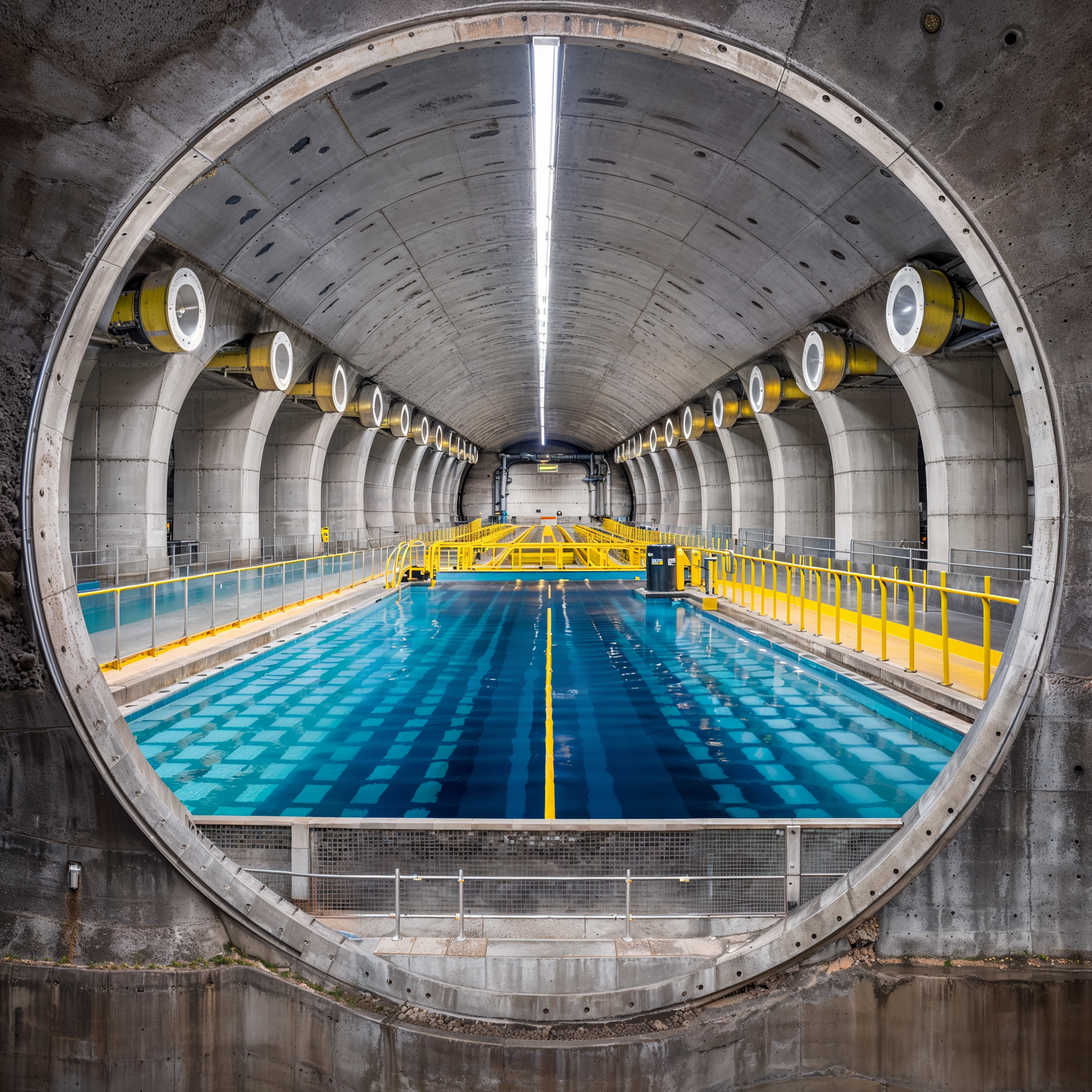
20 MW | MODULAR SUBSURFACE COMPUTE CLUSTER | DISTRICT HEATING & COOLINGHYPERSCALE DATA CENTRES FOR PHYSICAL INTELLIGENCE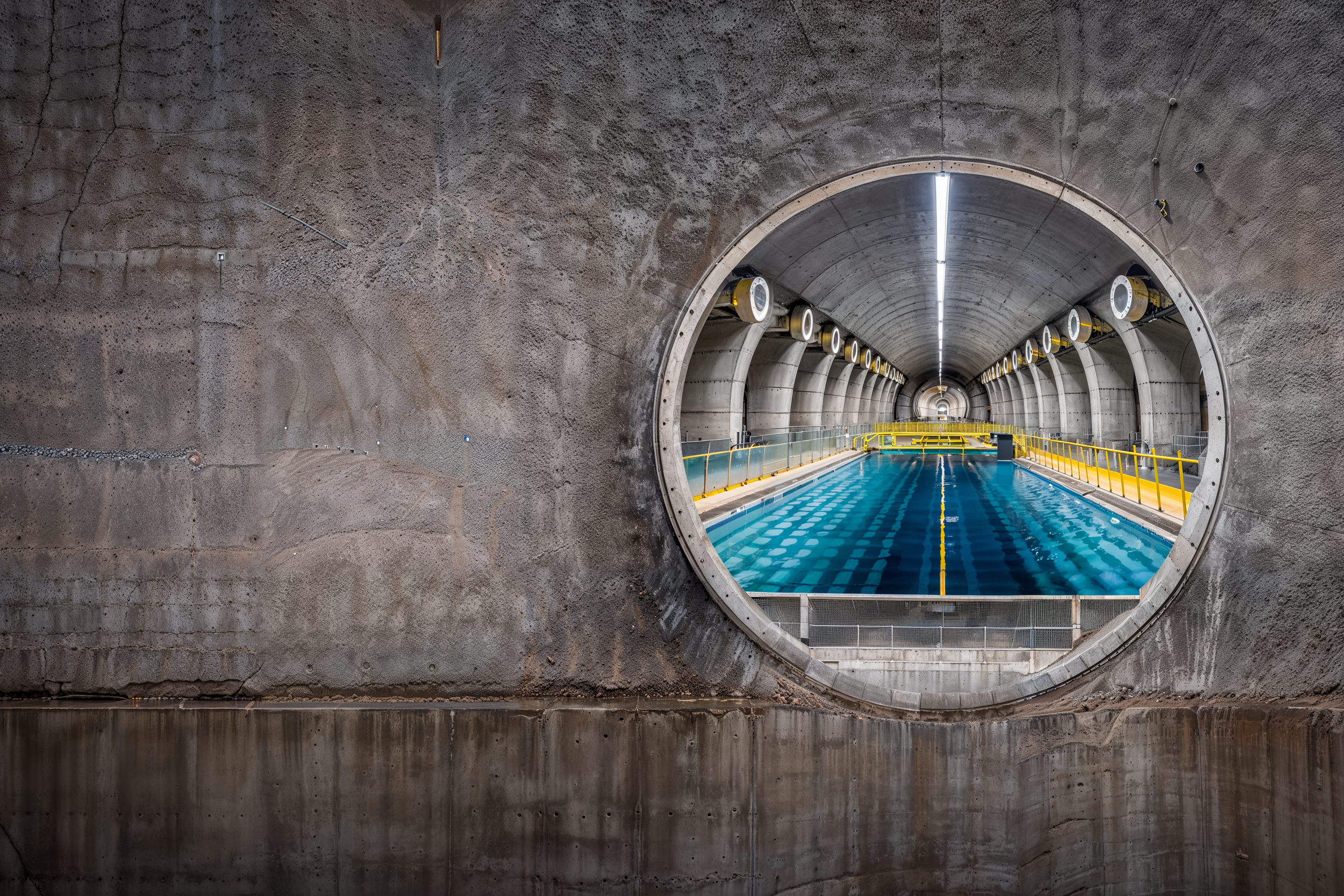
SERVICES
-
Description text goes here
-
Description text goes here
-
Description text goes here
BUTTRESS CLOUD
20 MW | MODULAR SUBSURFACE COMPUTE CLUSTER | DISTRICT HEATING & COOLINGBUTTRESS Clouds are designed to be deployed via repeatable TBM-bored subsurface envelopes, creating a modular urban AI cloud typology that is as relevant to constrained Earth cities as it is to future lunar and Martian settlement.
VERTICAL INTEGRATION + DEPLOYMENT SPEED + SCALE
X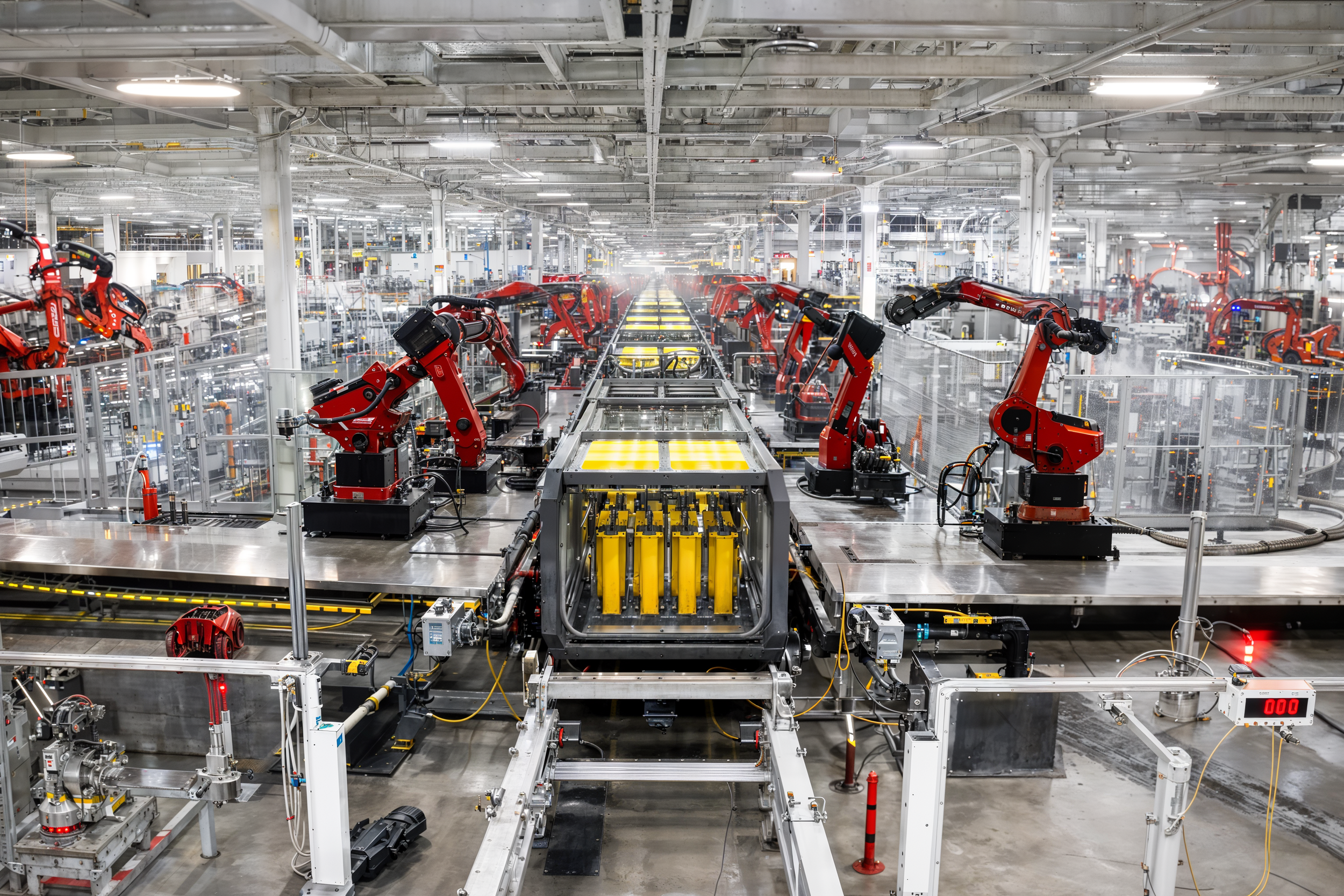
CONTOUR-01
INTEGRATED AI LED FACTORIESCOMING SOON